+39.348.341.9823
[email protected]




Rome is not a city you simply visit.
It is layered, theatrical, contradictory and endlessly revealing.
Beyond the Colosseum and the Vatican lies a city of hidden engineering, ancient rituals, quiet symbols and surprising continuity.
Here are the stories most travelers never hear, the ones that transform a visit into understanding.
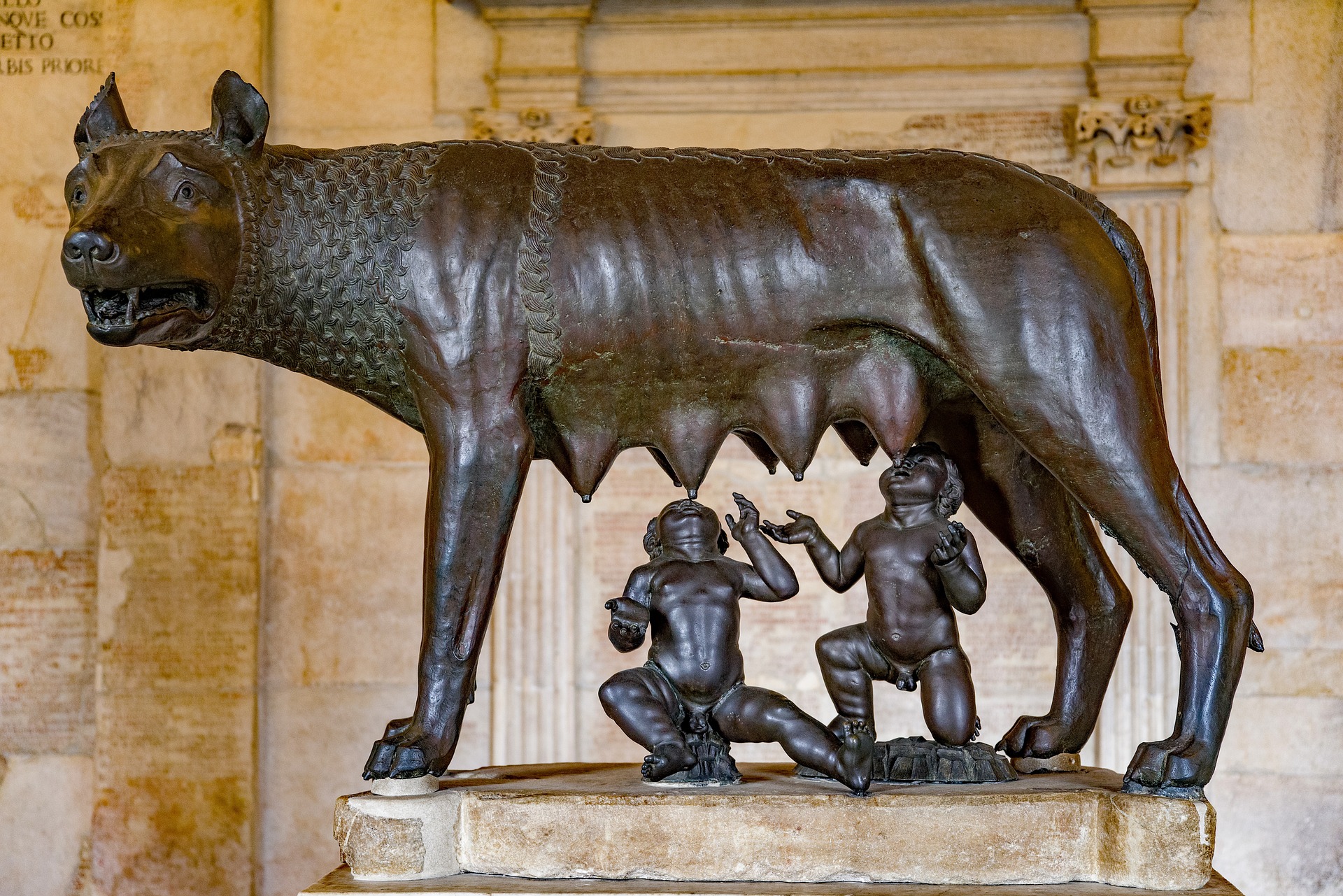
Founded, according to legend, in 753 BC, Rome predates most European capitals by centuries. But archaeology shows settlements on the Palatine Hill even earlier.
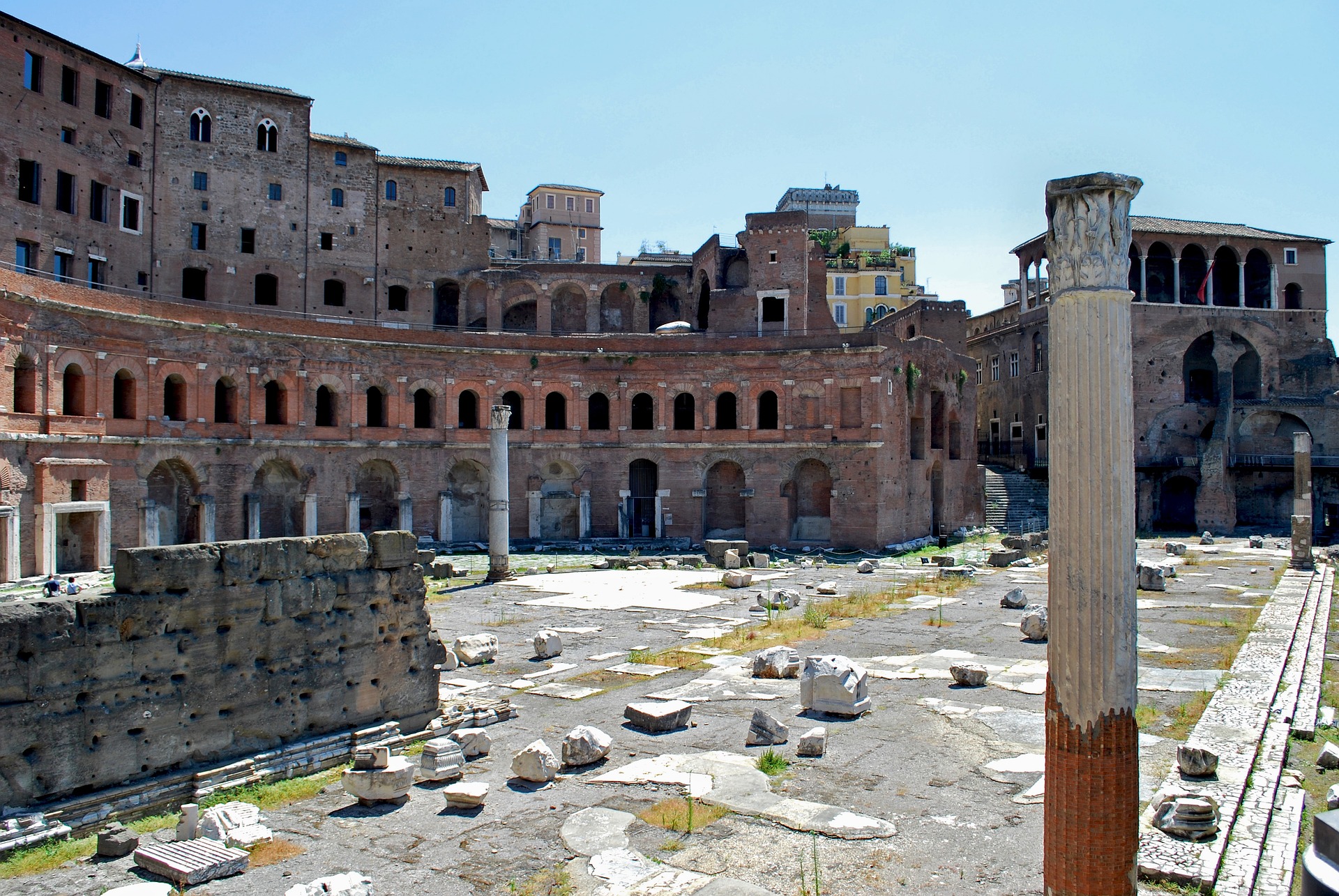
Walking through Rome is walking across nearly three millennia of uninterrupted urban life.
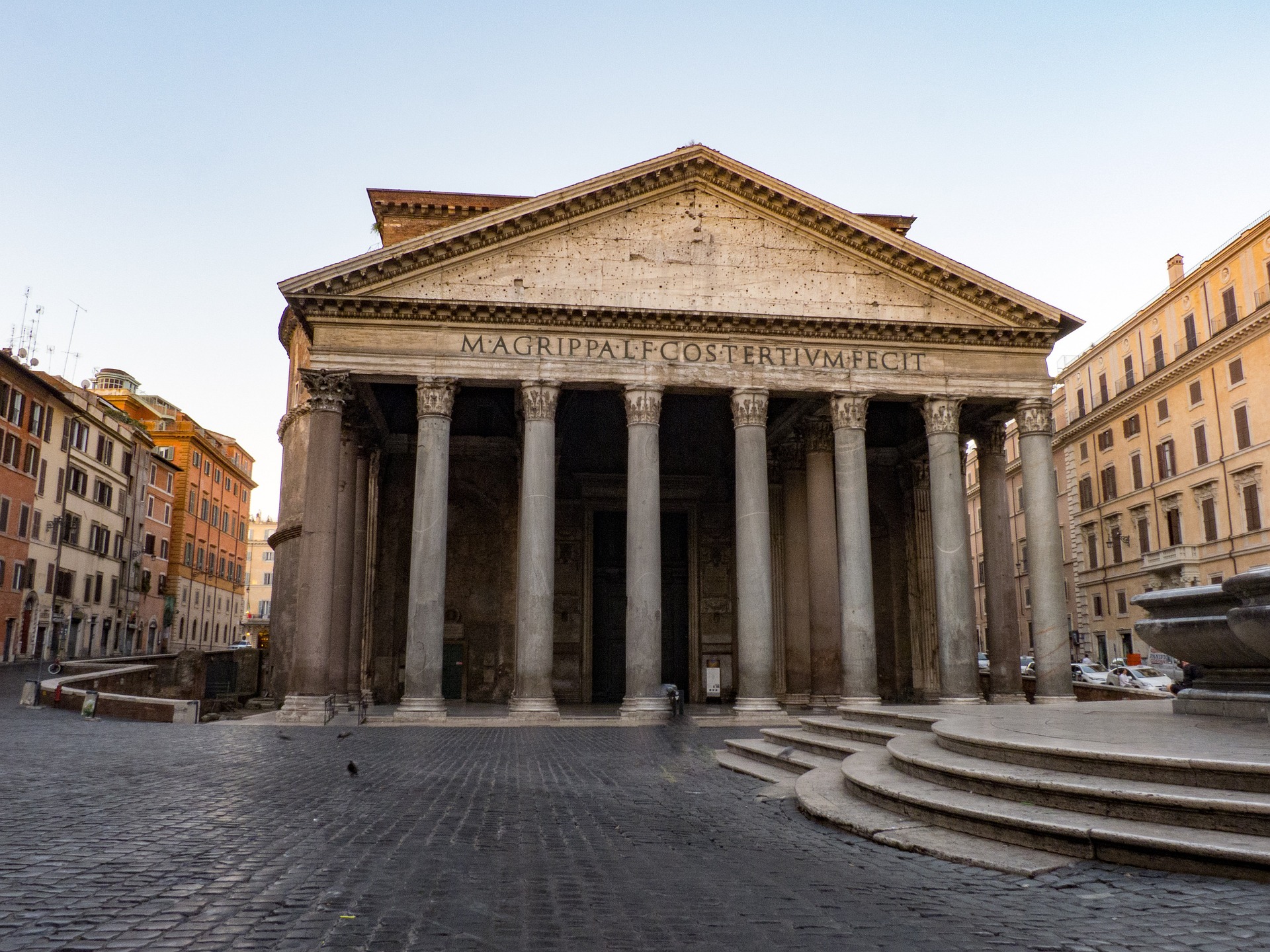
The Pantheon’s dome remains the largest unreinforced concrete dome in the world. Roman engineering techniques used volcanic ash (pozzolana) that modern builders still study today.
This is not just architecture , it’s endurance.
The Trevi Fountain marks the end of the Aqua Virgo, an aqueduct built in 19 BC, and still functioning today.
Modern Rome literally drinks ancient Rome.
Over one million euros are collected annually from the Trevi Fountain and donated to charitable causes.
A small gesture from visitors, a meaningful impact for the city.
Entirely enclosed within Rome, Vatican City is an independent country with its own postal system, police force and radio station.
And yes, you can cross international borders in under 30 seconds.
There are over 1,500 fountains in Rome, from monumental Baroque masterpieces to the humble “nasoni” drinking fountains that offer fresh water across the city.
Hydration here is ancient and elegant.
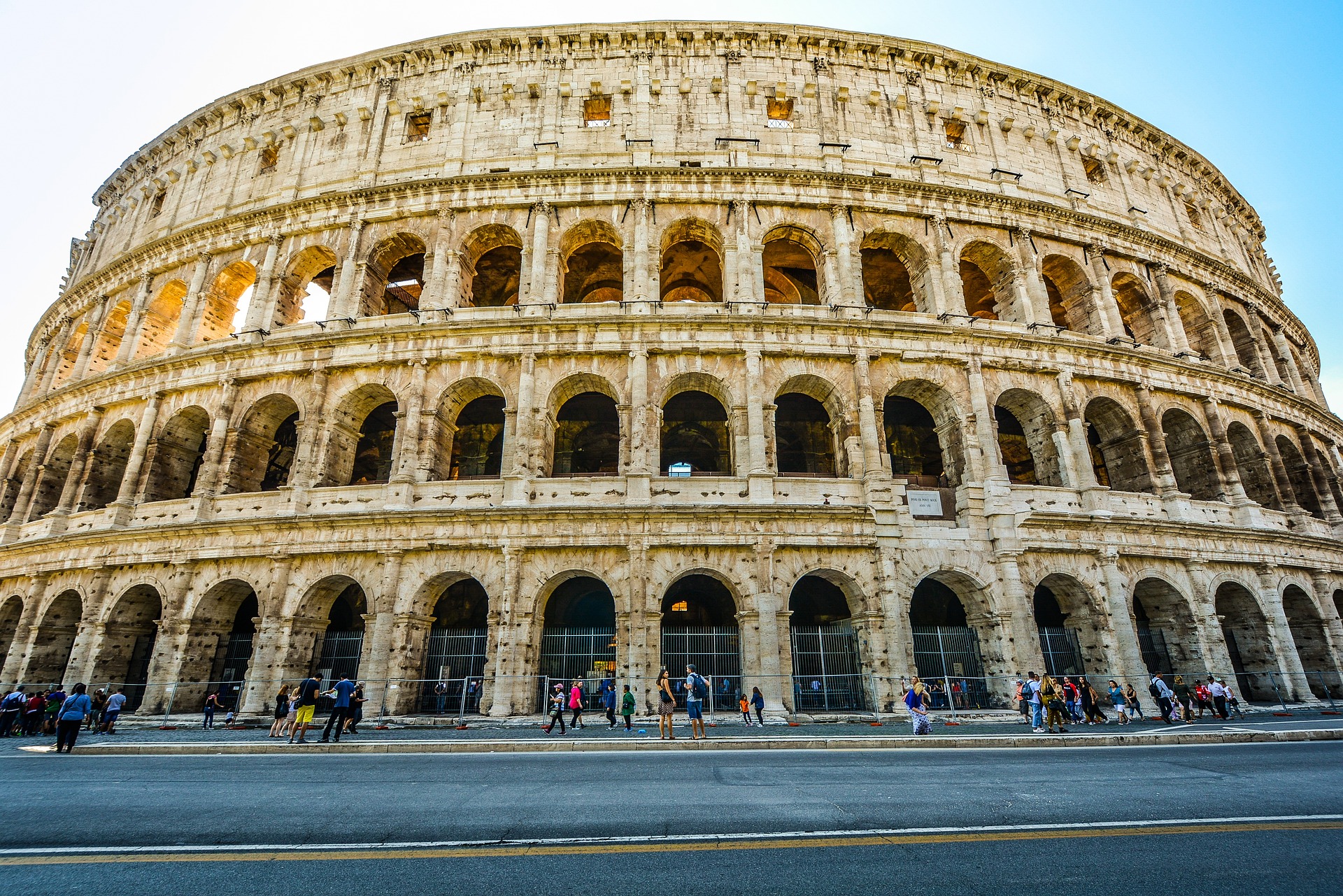
The Colosseum once held up to 50,000 spectators. Its sophisticated entrance system allowed rapid crowd flow, a blueprint for modern stadiums.
Many modern Roman roads still trace the layout of ancient Roman routes. The Via Appia Antica, for example, has carried footsteps for over 2,300 years.
Rome was founded on seven hills, but beneath today’s street level lies an entire hidden city: ancient houses, temples, mithraea and early Christian basilicas.
Some of Rome’s most fascinating spaces are underground.
Rome earned the nickname “The Eternal City” because ancient Romans believed it would stand forever.
Empires fell. Governments changed. The city remained.
 Italian
  English
  Dutch
Dutch  German
  Spanish
  Romanian
  French
  Japanese