+39.348.341.9823
[email protected]




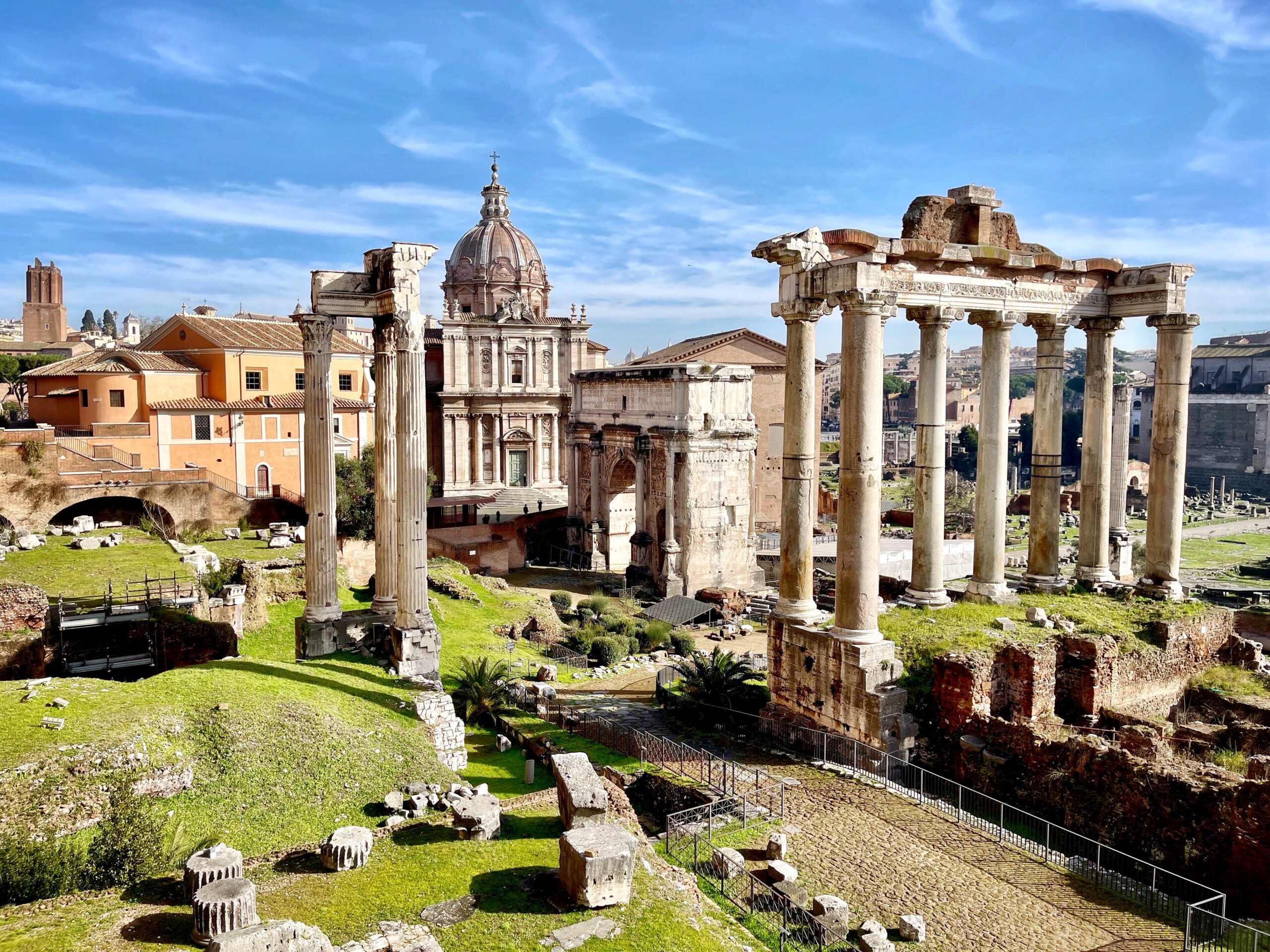
Rome is not a city you “cover.” It’s a city you enter—layer by layer. This list is designed to help you build a Roman itinerary that feels intentional rather than exhausting: monuments with meaning, squares that still function as living rooms, viewpoints worth timing with golden hour, and neighbourhoods where the city finally exhales.
Anchor each day with one major site (Colosseum or Vatican), then let the rest be walkable.
Alternate stone and shade: pair archaeology with gardens, basilicas with viewpoints.
Plan for ticketed sites early, especially in peak season (some “walk-in” classics are no longer walk-in).

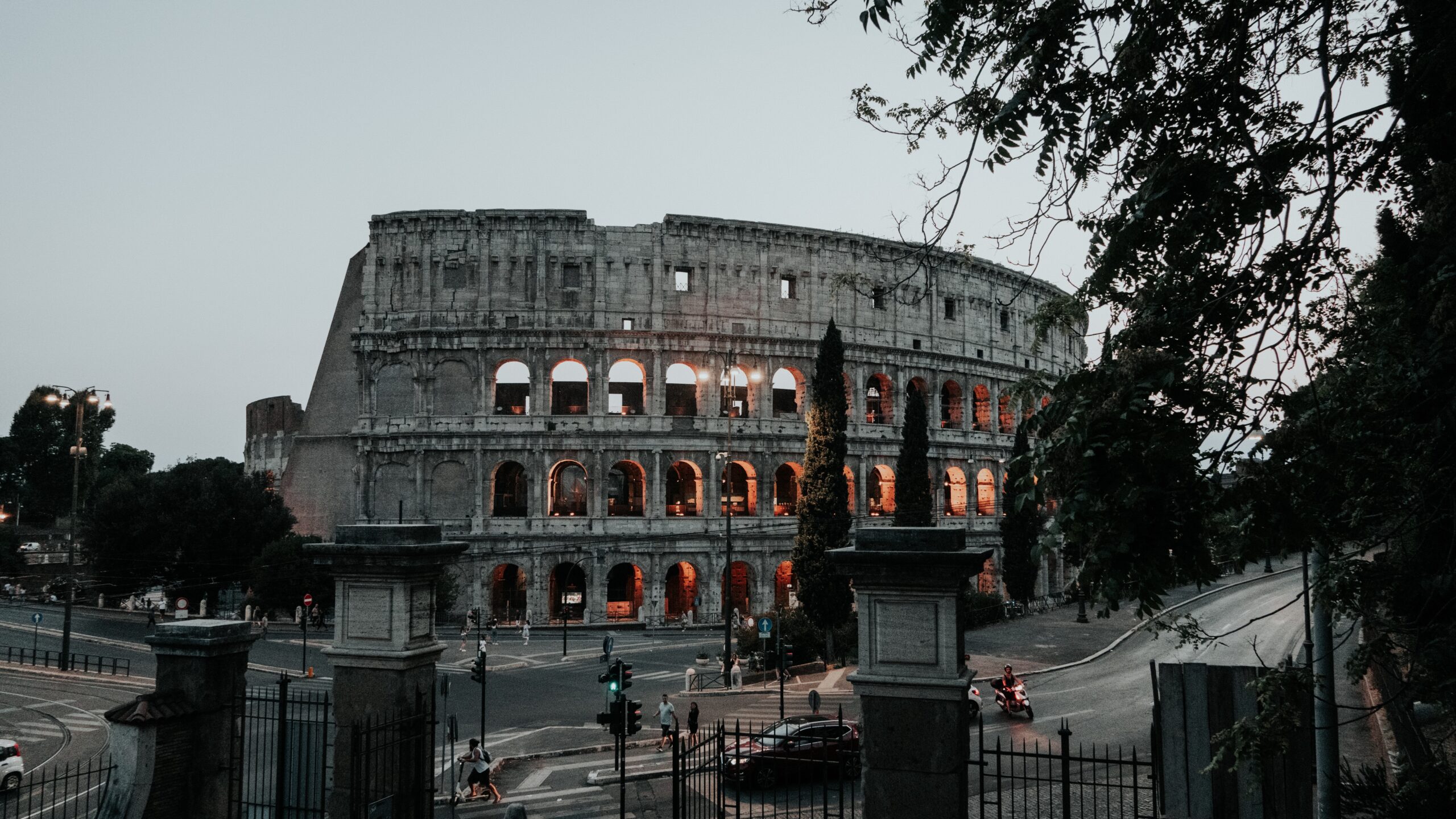
Not simply an amphitheatre, but a masterclass in Roman crowd control, spectacle, and engineering. Capacity estimates vary by period, commonly cited in the tens of thousands; many references place it at up to around 50,000 (and sometimes higher in estimates).
Go early in the morning or later in the day for a calmer experience, and to hear the building, not just the crowd.
The Palatine is where Rome feels most imperial: terraces, foundations, and views that explain why emperors chose height and proximity. It’s also the perfect place to slow down after the intensity of the Colosseum, more air, more perspective, less noise.
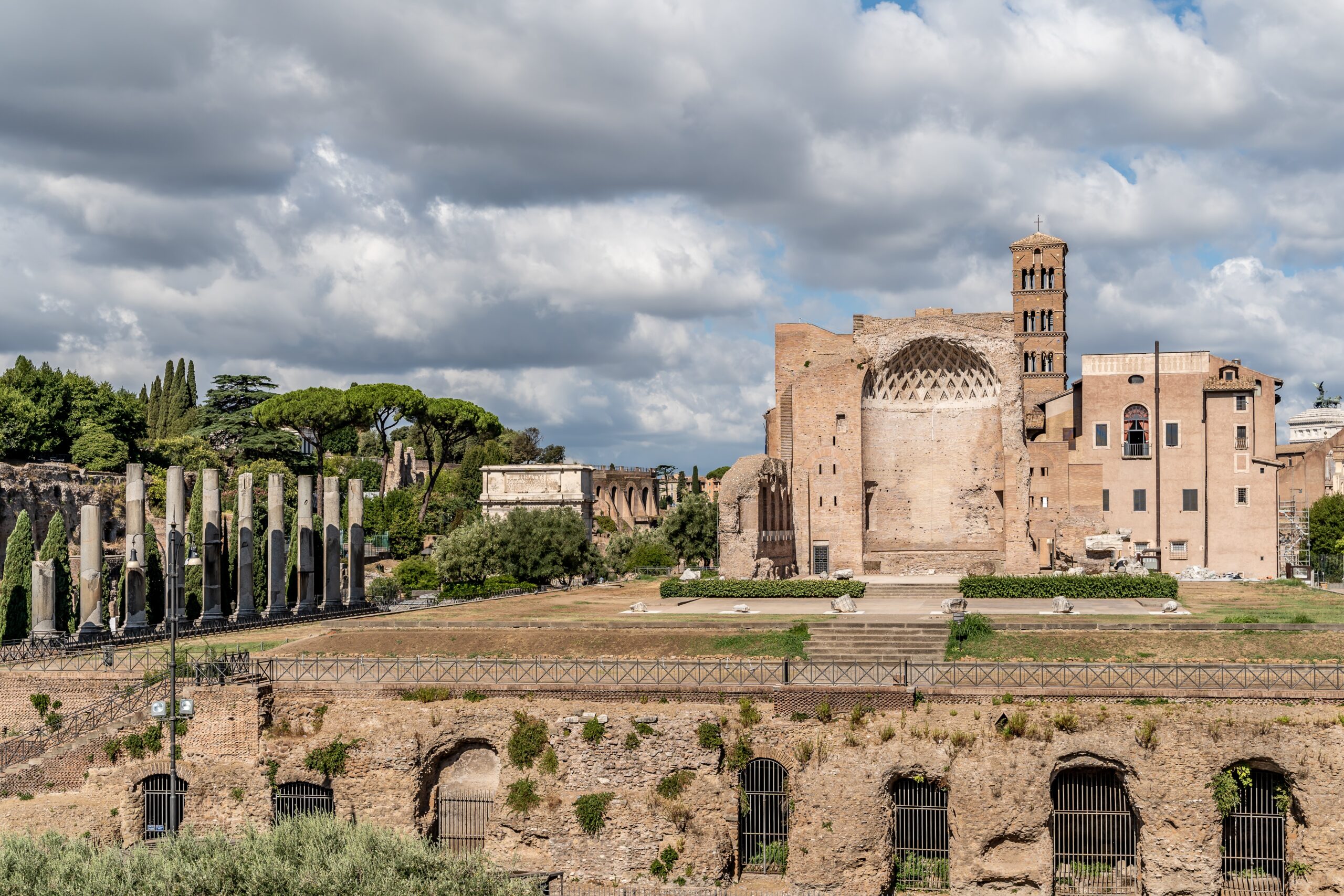
An open-air lesson in political ambition. Each forum was a statement of power, and walking this corridor helps you understand how architecture functioned as messaging in Ancient Rome—stone as rhetoric.

Even if you’re not religious, the Vatican is essential for understanding Rome’s second great identity: the city as spiritual capital and patron of art. The experience is strongest when approached with timing—early entry and a clear plan for what you want to see, rather than trying to absorb everything at once.
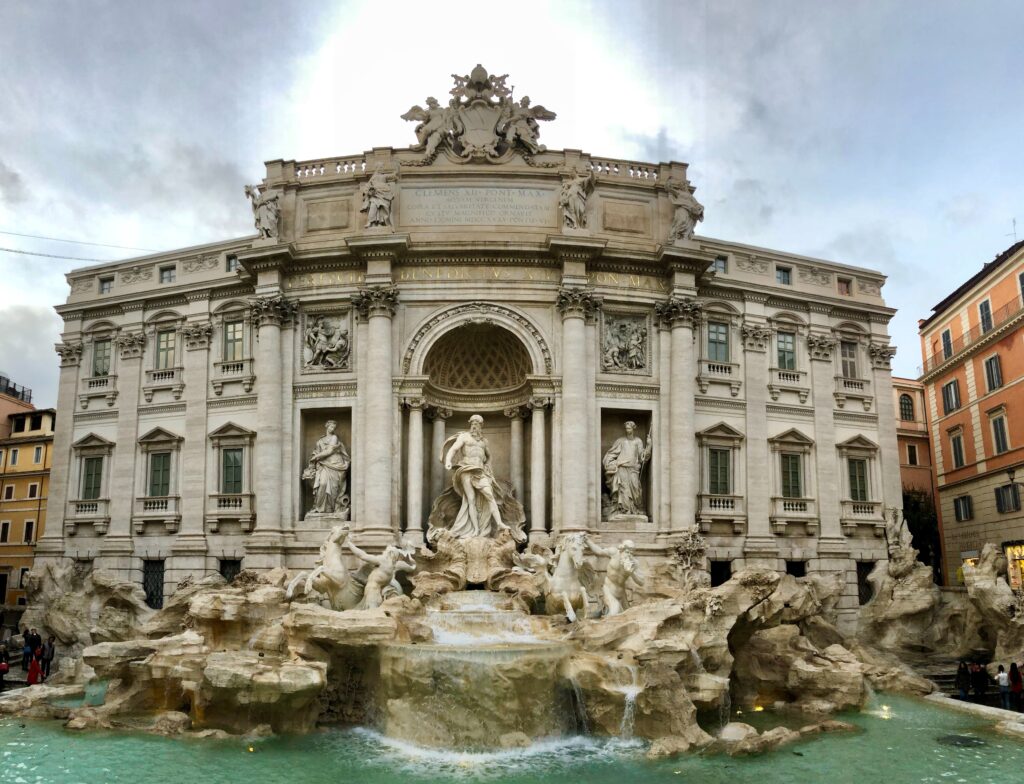
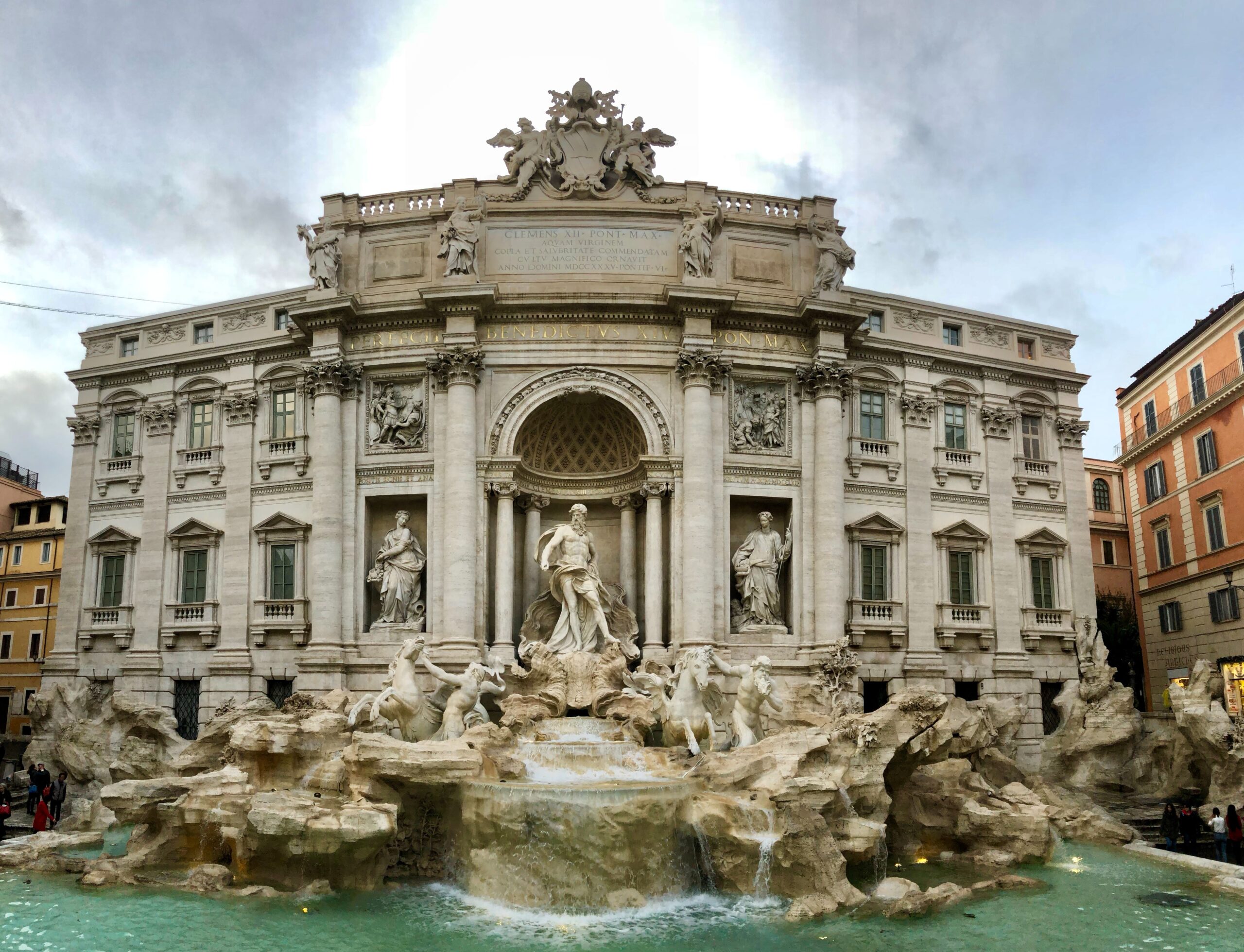
Trevi is Rome at full volume: Baroque drama, crowds, flashbulbs, and tradition. The water is historically connected to the Aqua Virgo aqueduct.
Update: Rome has introduced a €2 fee for close-up access to manage overcrowding (the piazza remains accessible).
Best advice: come at dawn for atmosphere rather than congestion.
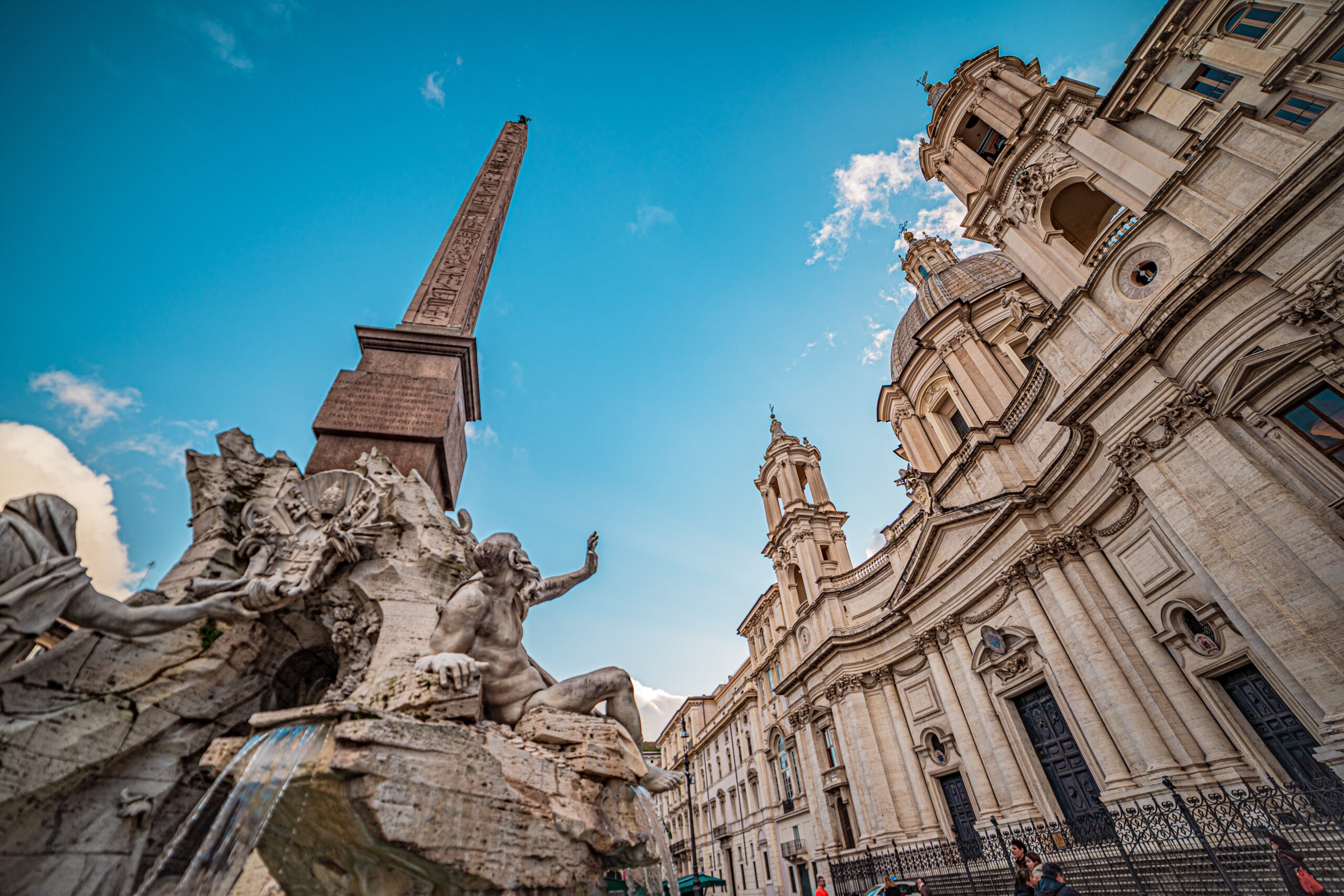
A theatrical space built over an ancient stadium footprint, later transformed into one of Rome’s most beautiful Baroque rooms. Stay long enough to see it change character—from morning deliveries to evening glow.
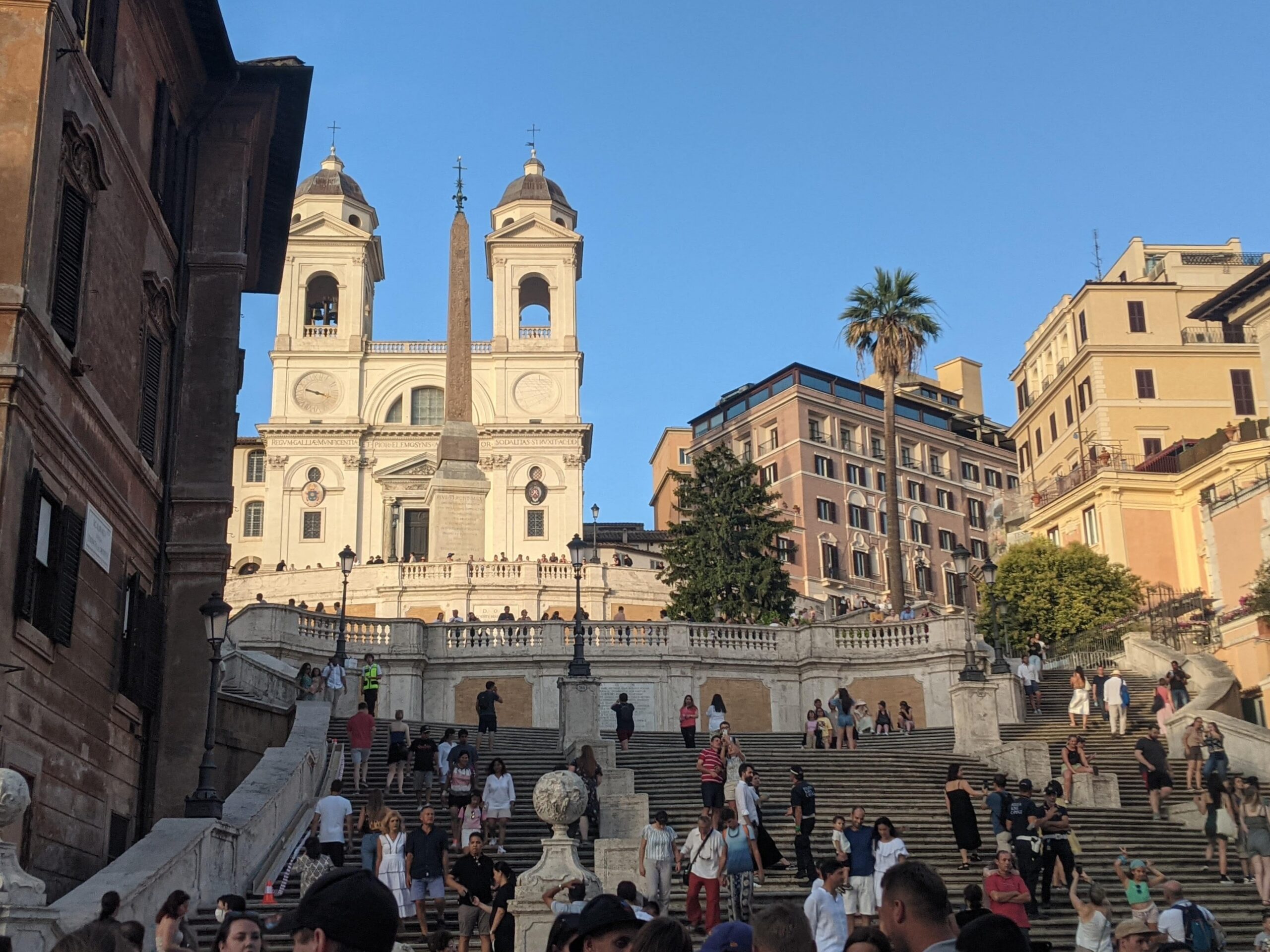
A symbol of Rome’s elegant choreography: steps, terraces, and people-watching at its most cinematic. It’s not a “site” as much as a scene—arrive early if you want it without the crowd.
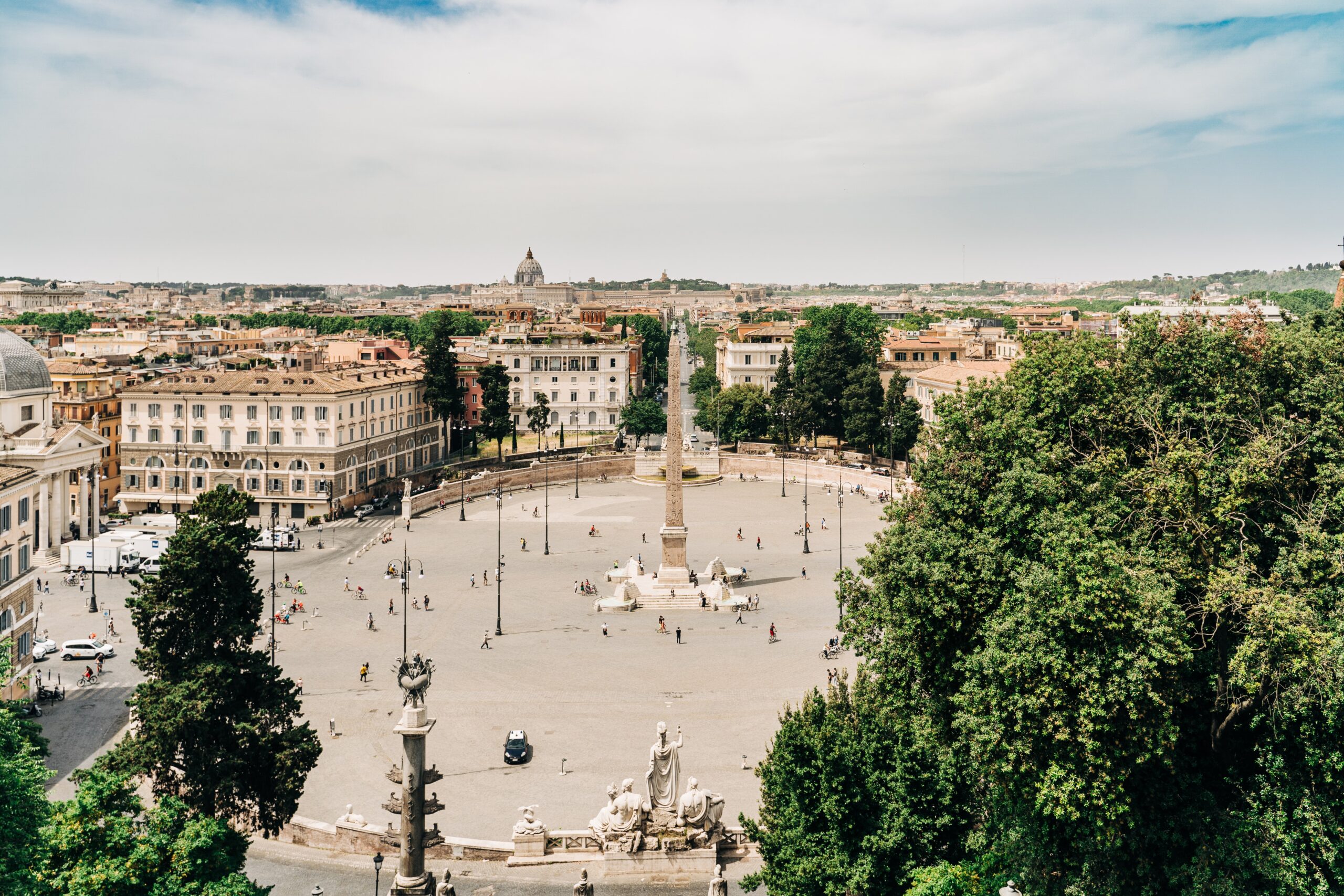
A grand threshold into Rome’s historic centre, and one of the best “orientation” squares in the city. From here, you can climb toward the Pincio for a view that finally makes sense of Rome’s sprawl.

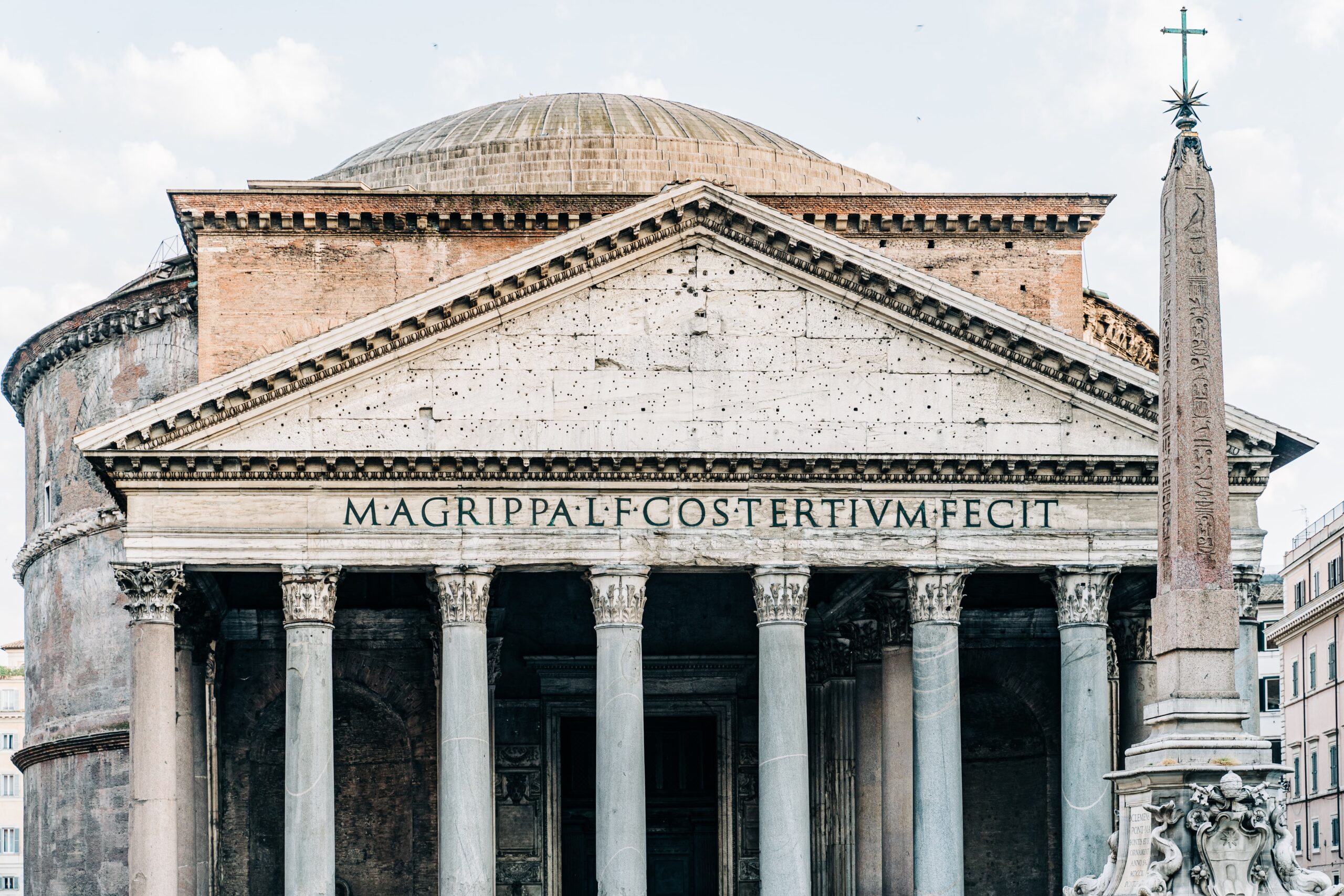
The Pantheon is Rome’s most persuasive argument for permanence: a temple that became a church, still used, still astonishing.
Practical note: since July 2023, entry requires an official ticket.
Go on a rainy day if you can—the oculus turns weather into architecture.
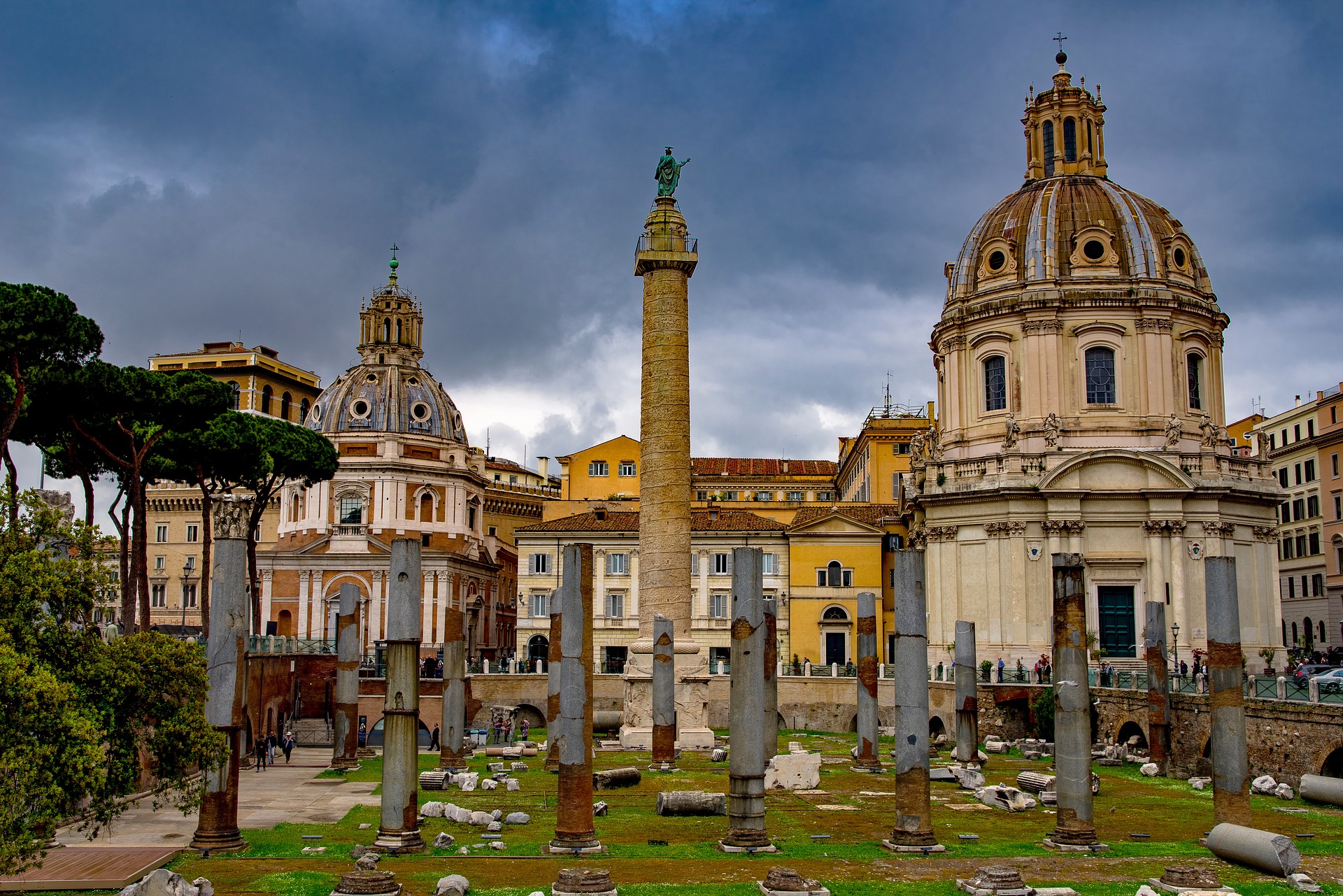
A spiral narrative carved in stone, built to celebrate imperial victory and communicate authority to the city. Look closely: it’s not only art, it’s a political document.

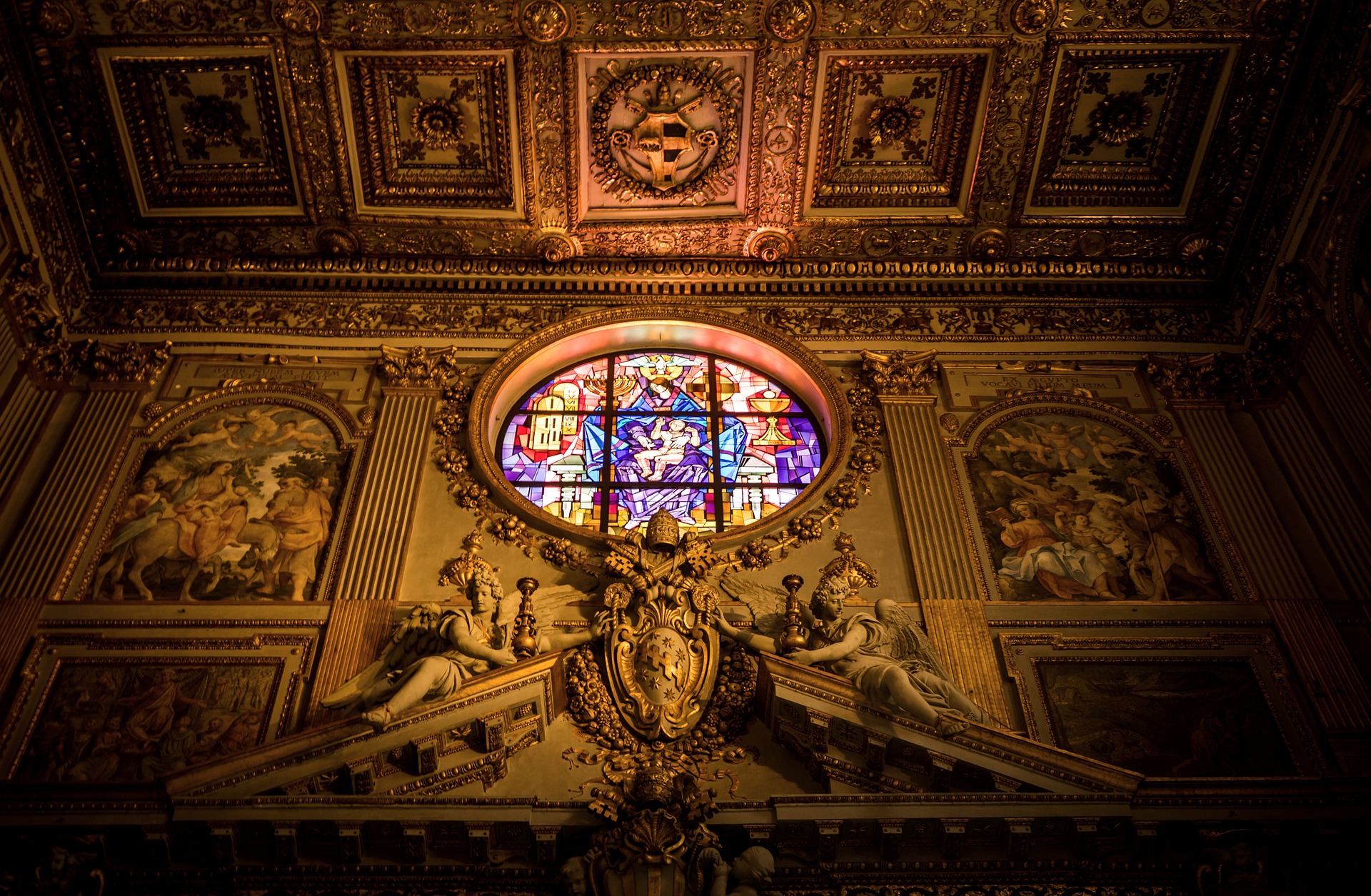
One of Rome’s great basilicas, remarkable for its layered history and luminous interiors. It’s a strong counterpoint to the Vatican—still monumental, but usually more breathable.
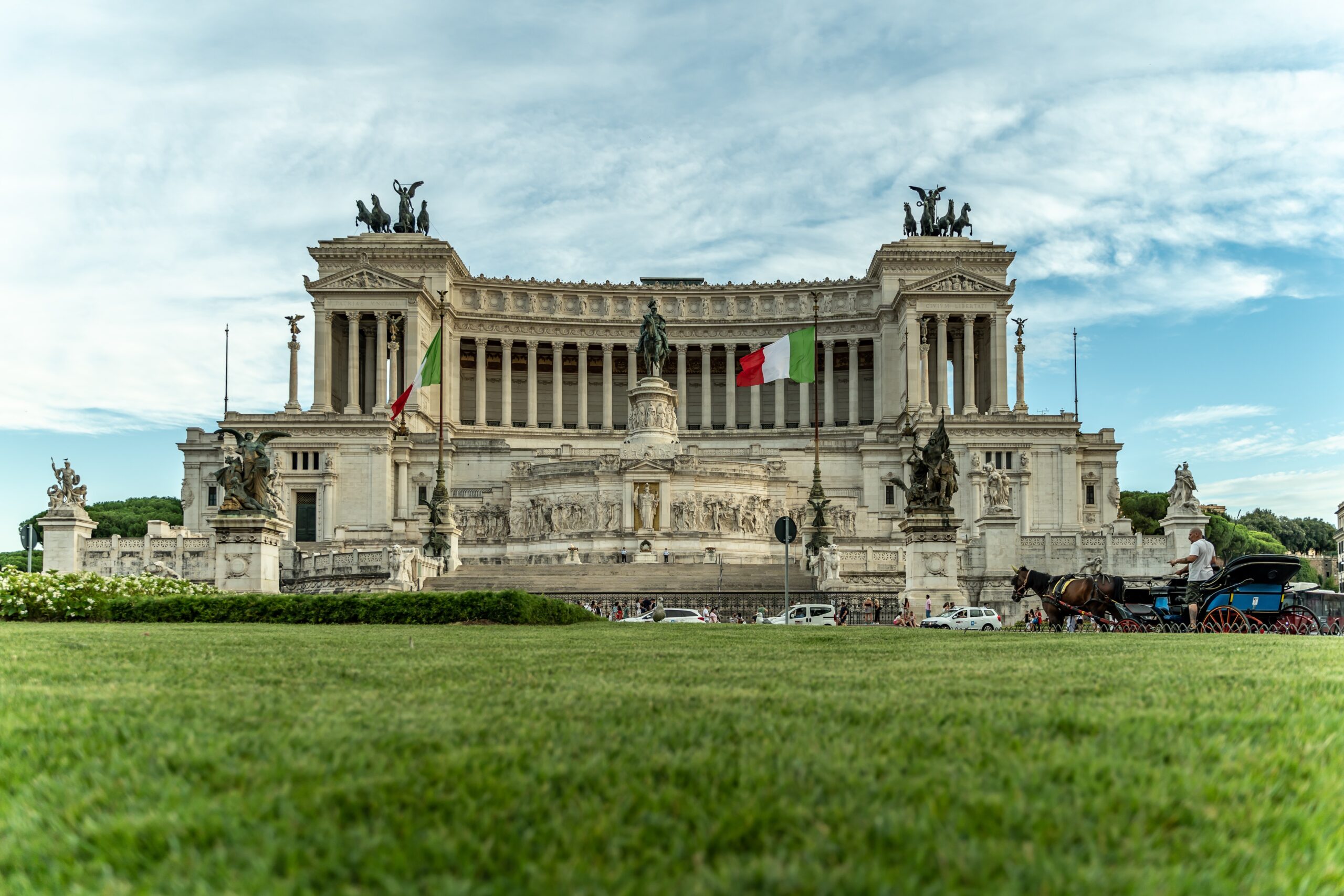
Often photographed, often misunderstood. It’s a monument of modern Italy, not Ancient Rome—best appreciated when you view it as national theatre: symbolism, scale, and the ambition of a young state.
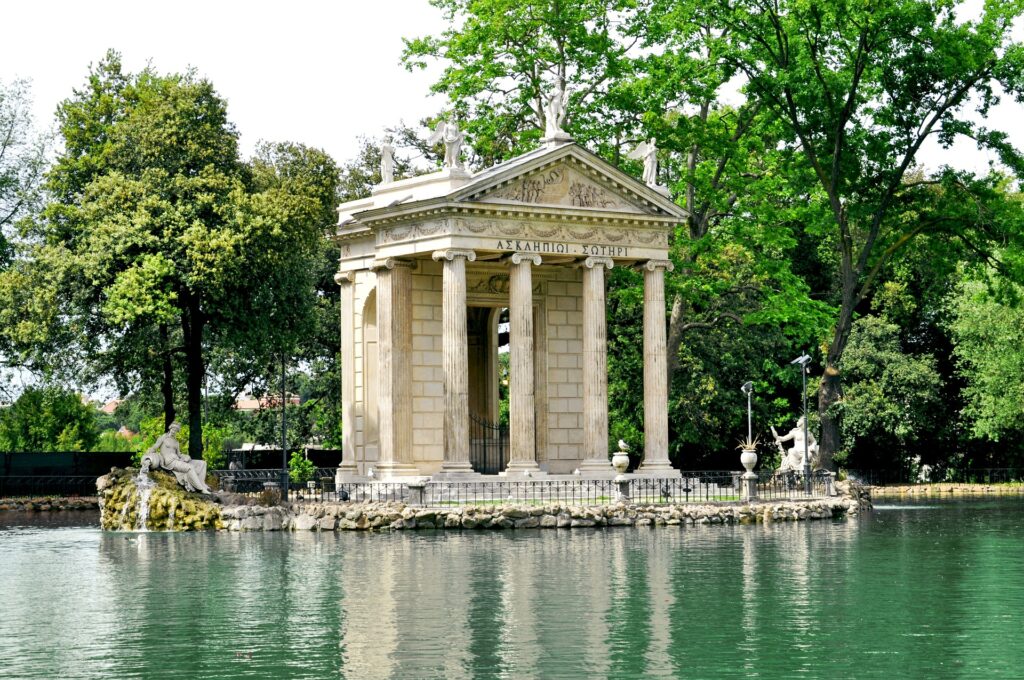
Rome’s most elegant green escape—ideal between museum-heavy days. Even if you don’t enter the gallery, the gardens themselves reset your pace and your nervous system.
One of the city’s most rewarding viewpoints. Rome becomes legible from up here: domes, bell towers, and the slow curve of the Tiber. Aim for late afternoon.
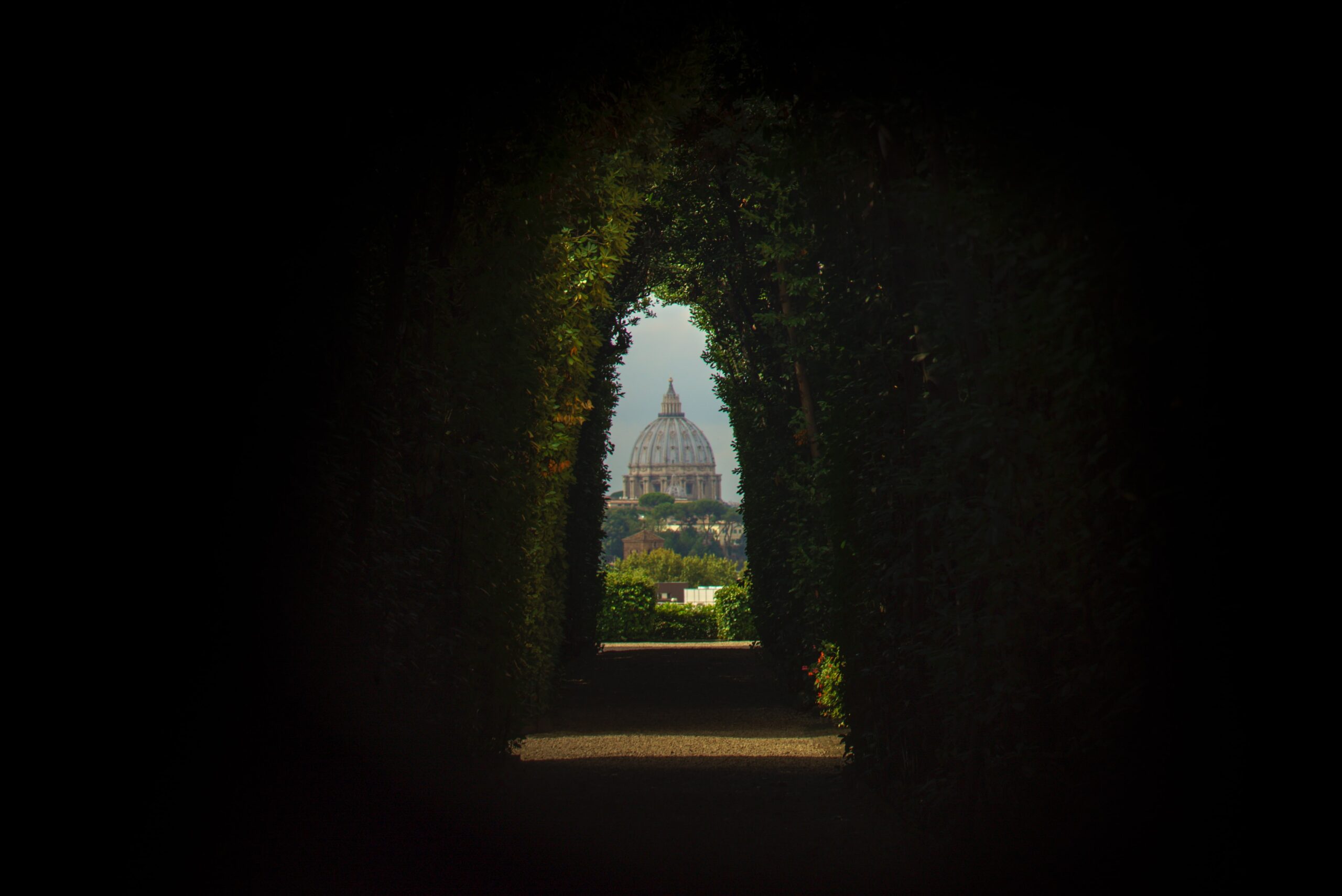
The Aventine is Rome at its most discreet: gardens, calm streets, and the famous keyhole view that frames St Peter’s dome with almost absurd precision.
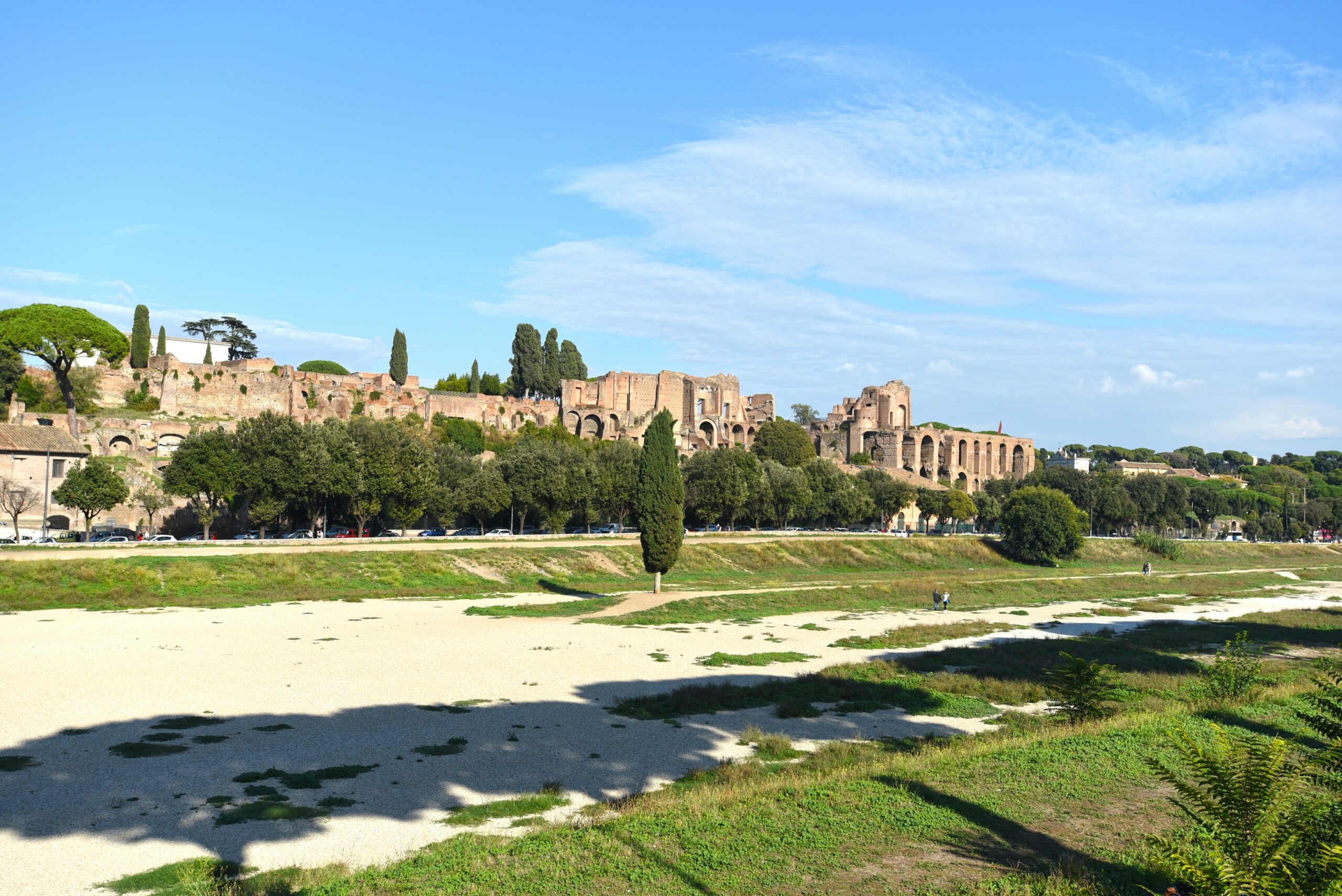
The idea of the Circus Maximus is often more powerful than what remains: a vast space once dedicated to chariot racing and mass spectacle. Capacity estimates vary widely; some sources suggest around 150,000, while others cite higher “possibly 250,000” figures.
Walk it at sunset, when the scale becomes clearer.
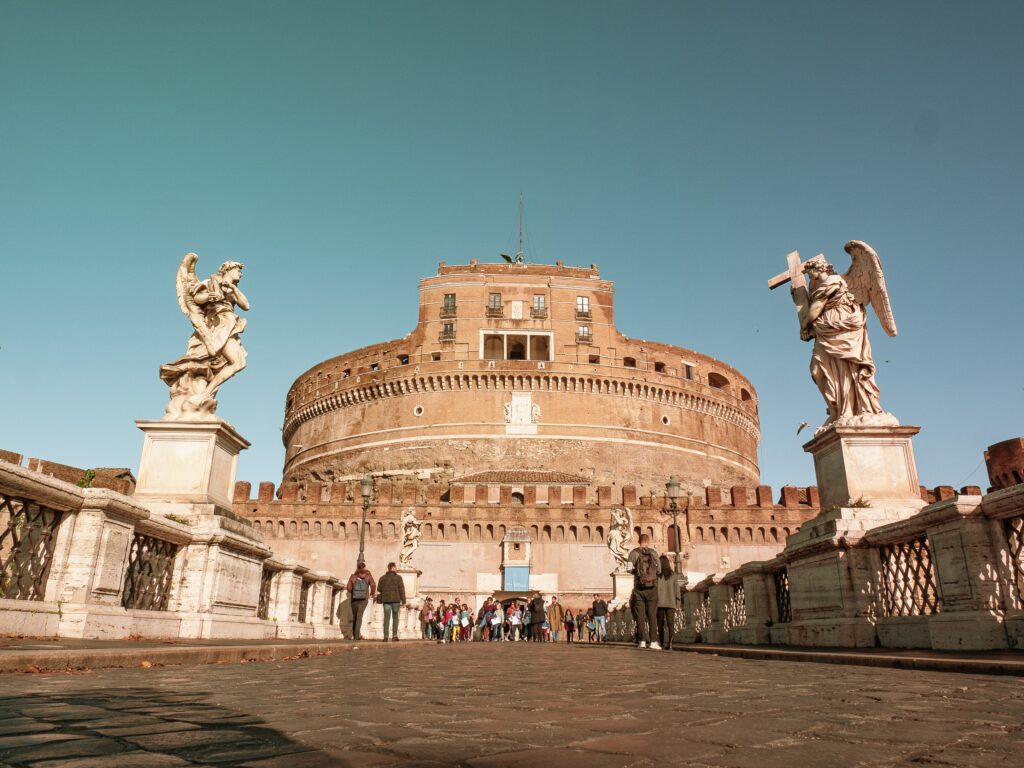
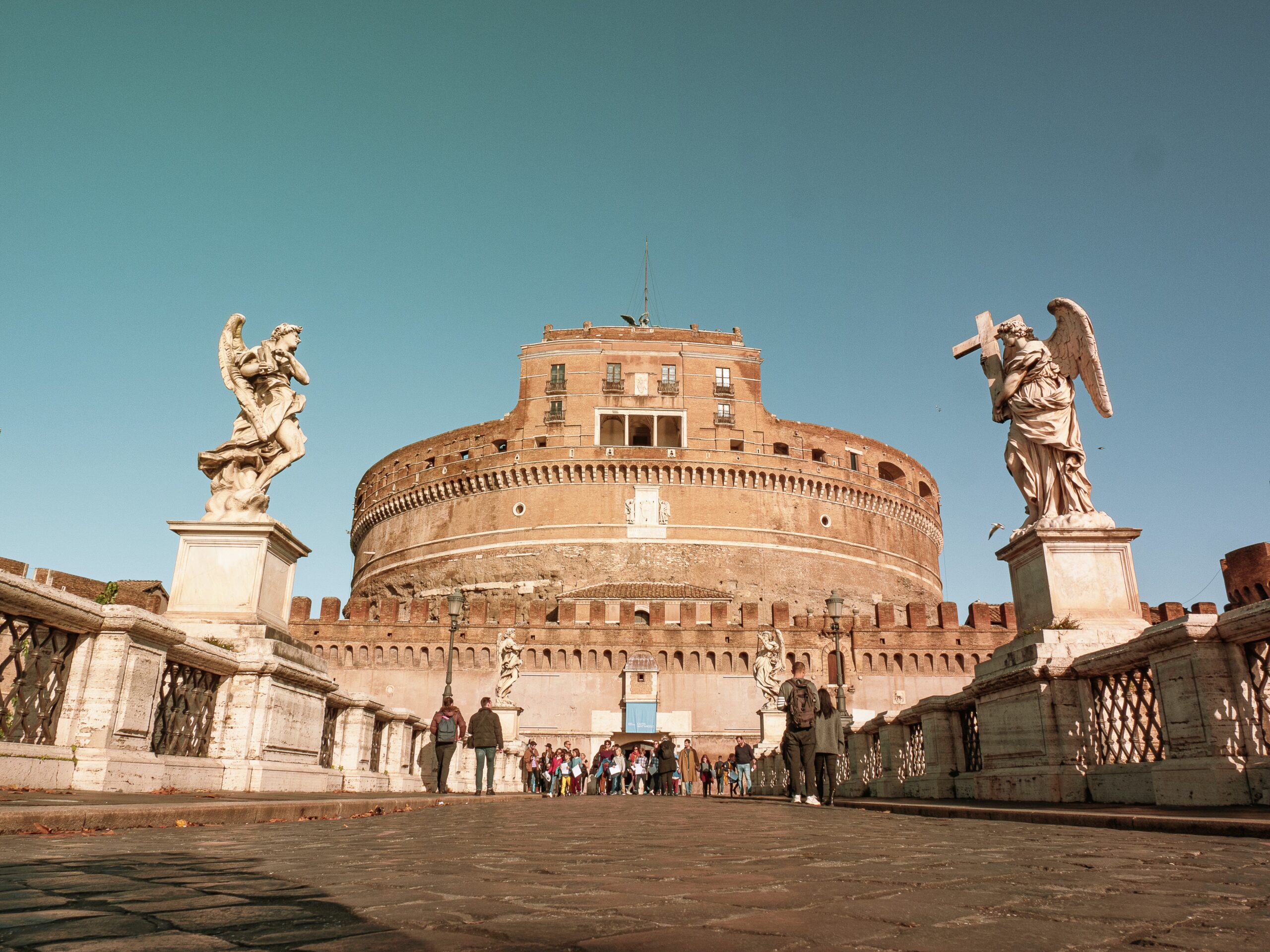
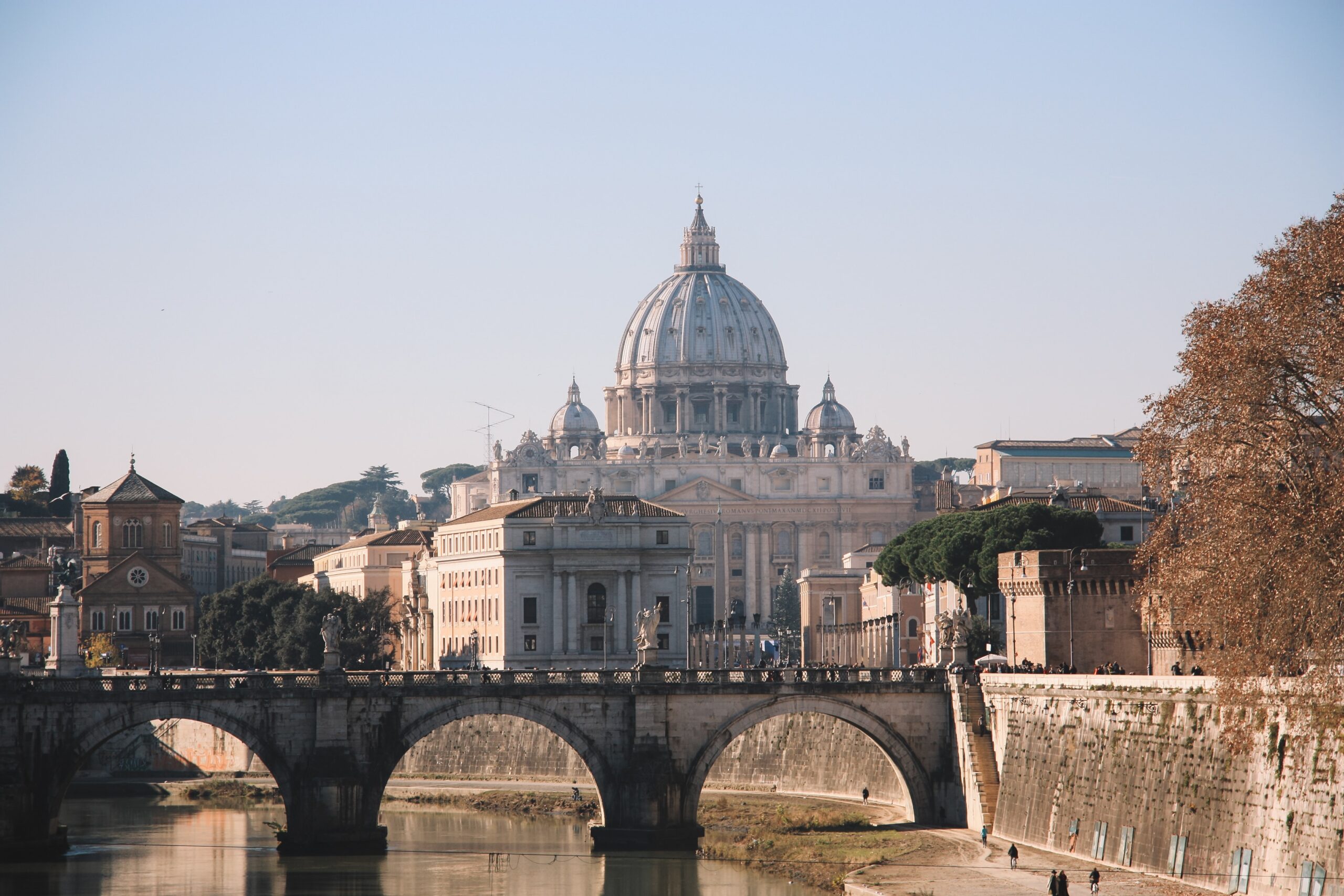
A monument that changes identity as Rome changes: imperial tomb, fortress, papal refuge. It’s a superb place to connect the dots between Ancient Rome and papal Rome—especially from the upper terraces.
Trastevere is best treated as an evening neighbourhood: stroll first, eat later. Its charm is not a single monument but the texture—courtyards, worn stones, small squares, and the sense of Rome continuing after the museums close.
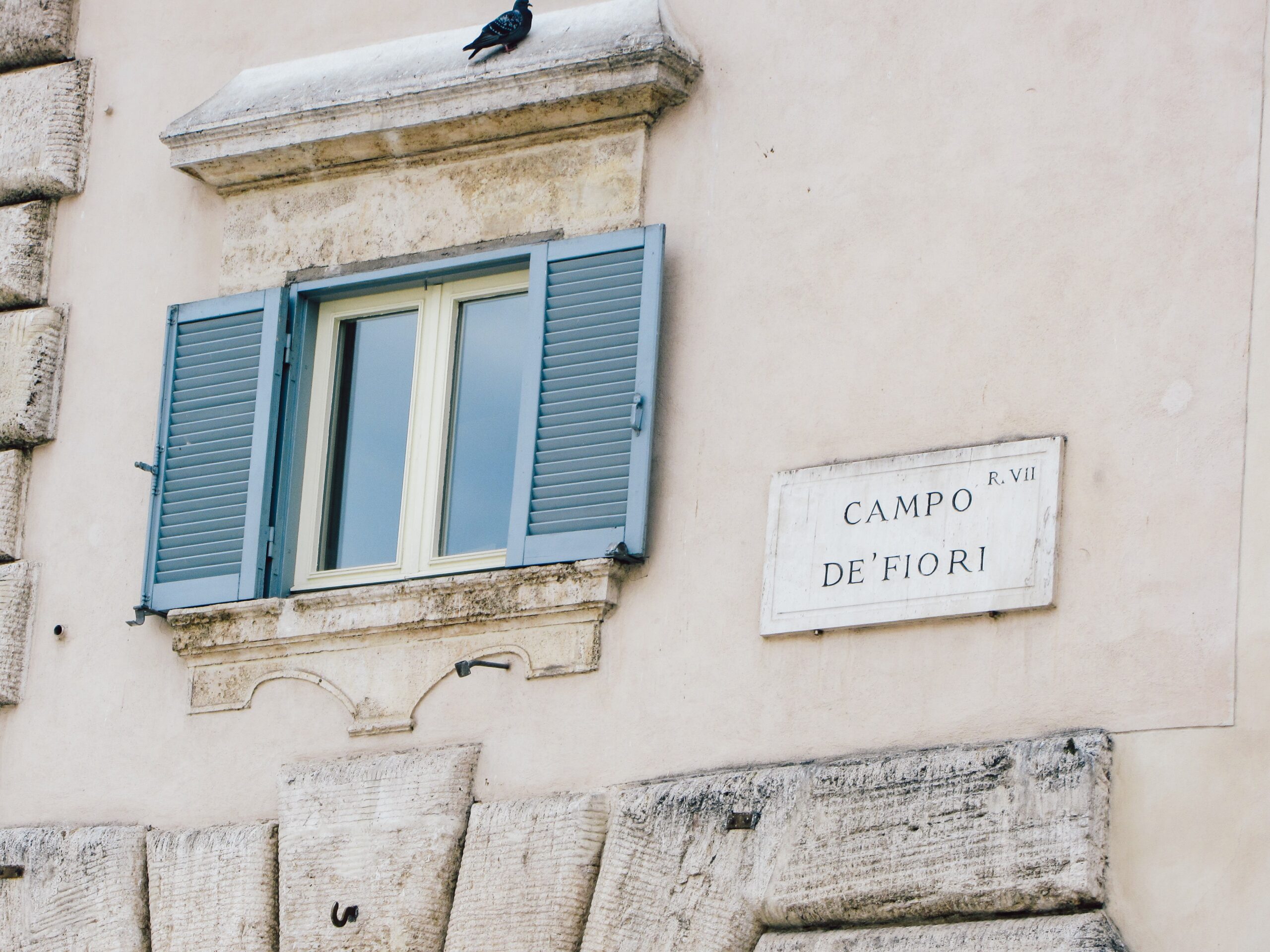
A market square by day, lively by night. It’s worth visiting not for “attractions,” but to understand how Rome’s centre still functions—food, commerce, conversation, the social rhythm of streets.
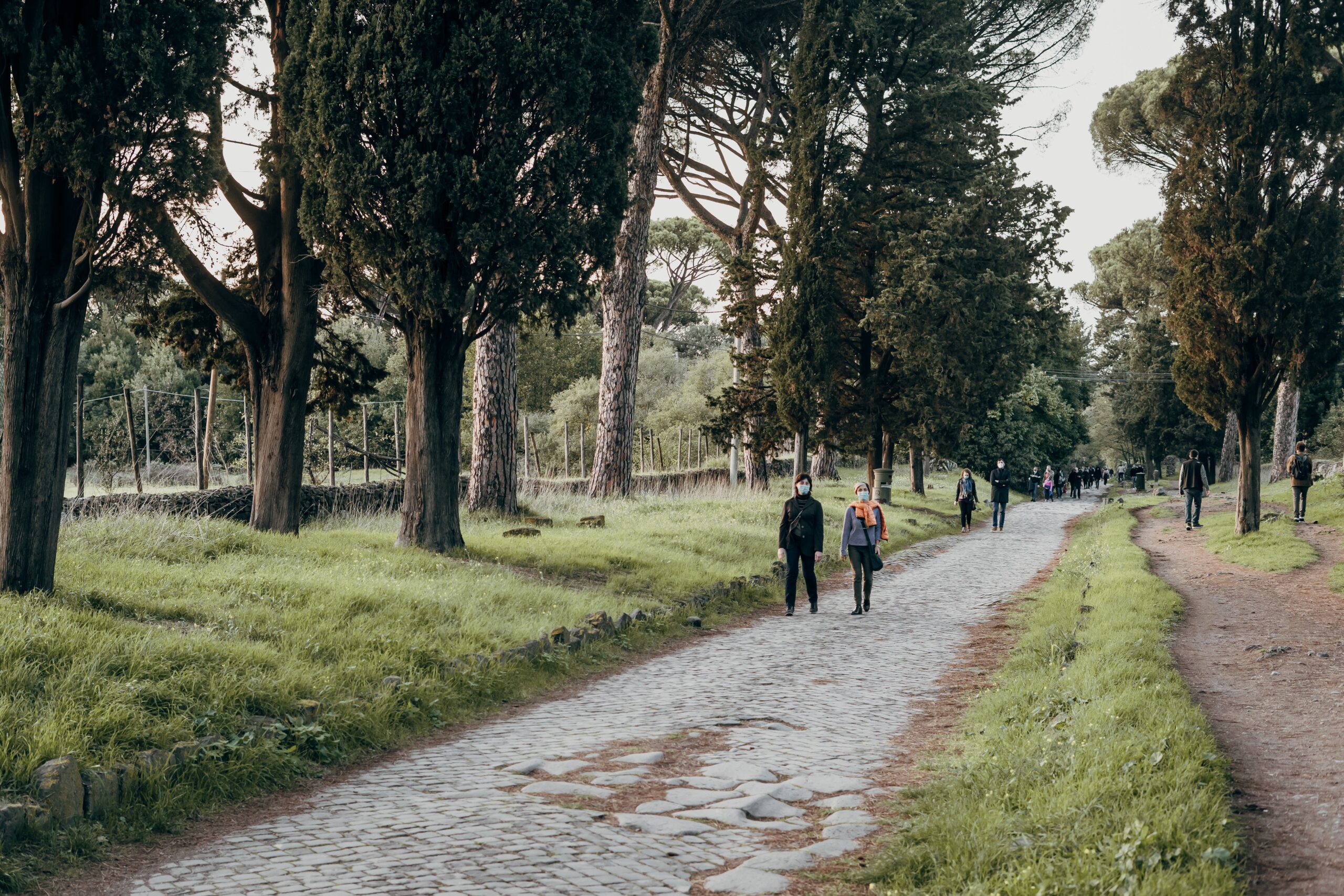
This is Rome at its most cinematic and archaeological: an ancient road that still holds silence, ruins, and long perspectives. Go in the morning, ideally on a day when you want Rome to feel ancient rather than crowded.
 French
  English
  Italian
  Dutch
Dutch  German
  Spanish
  Romanian
  Japanese