+39.348.341.9823
[email protected]

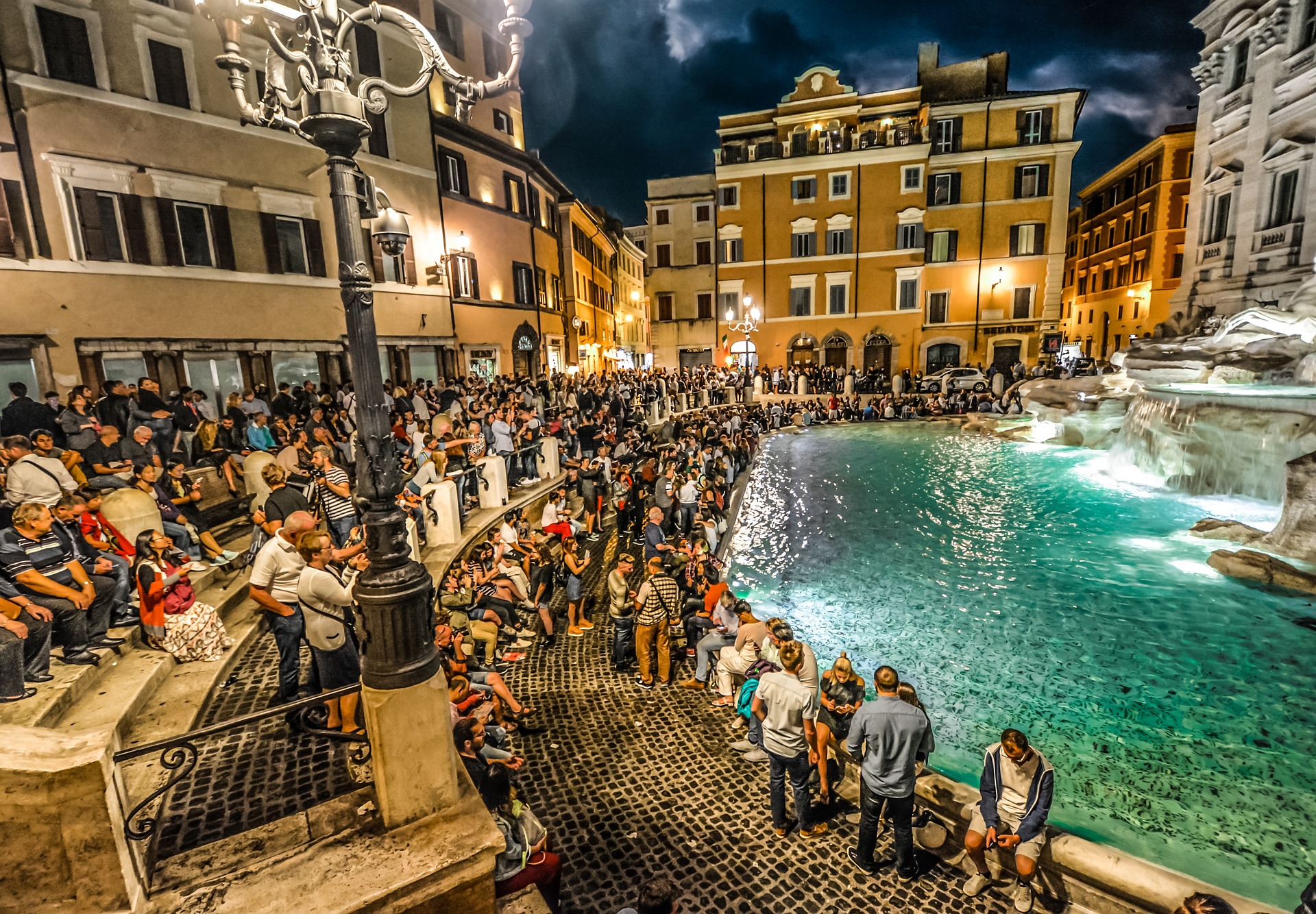

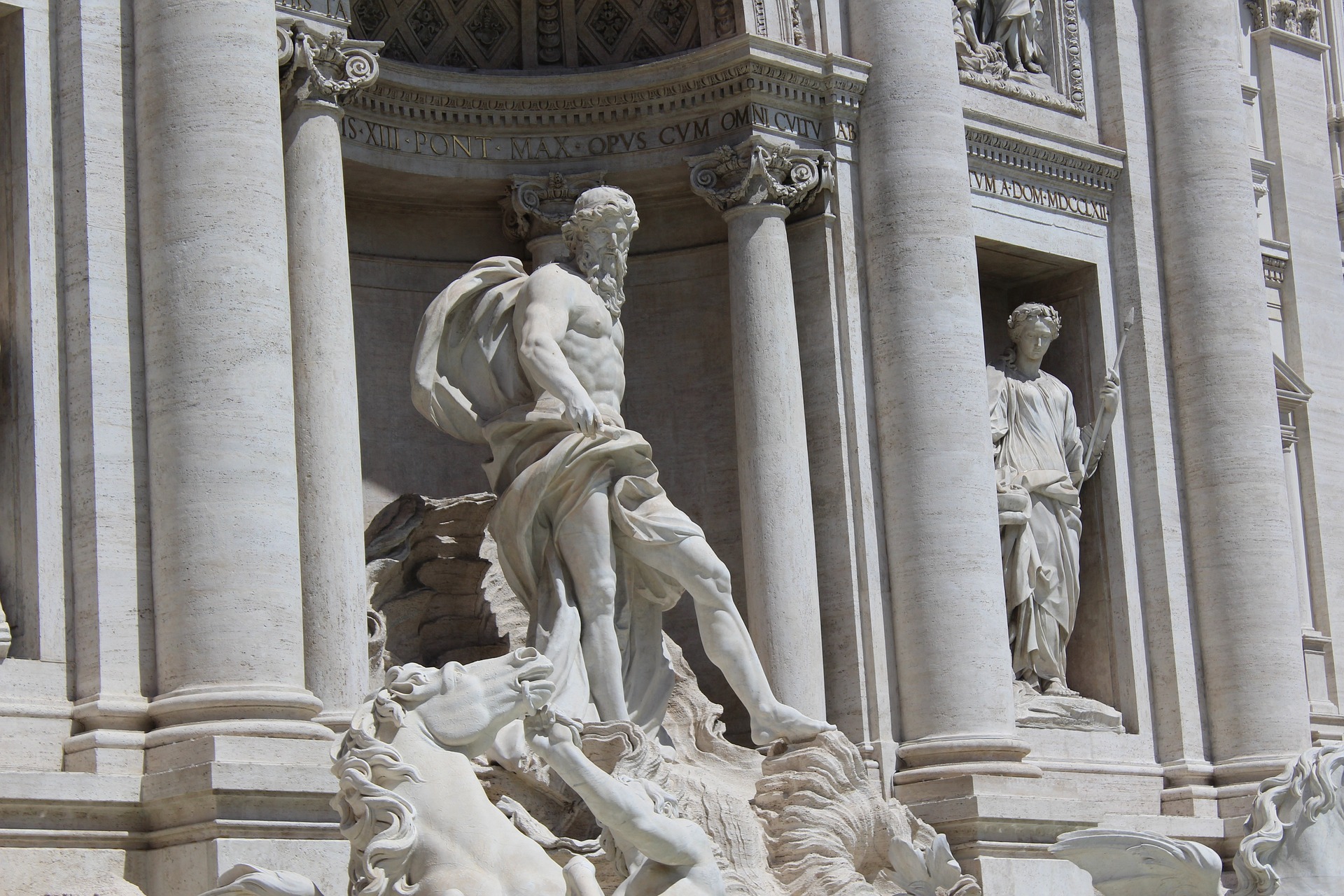
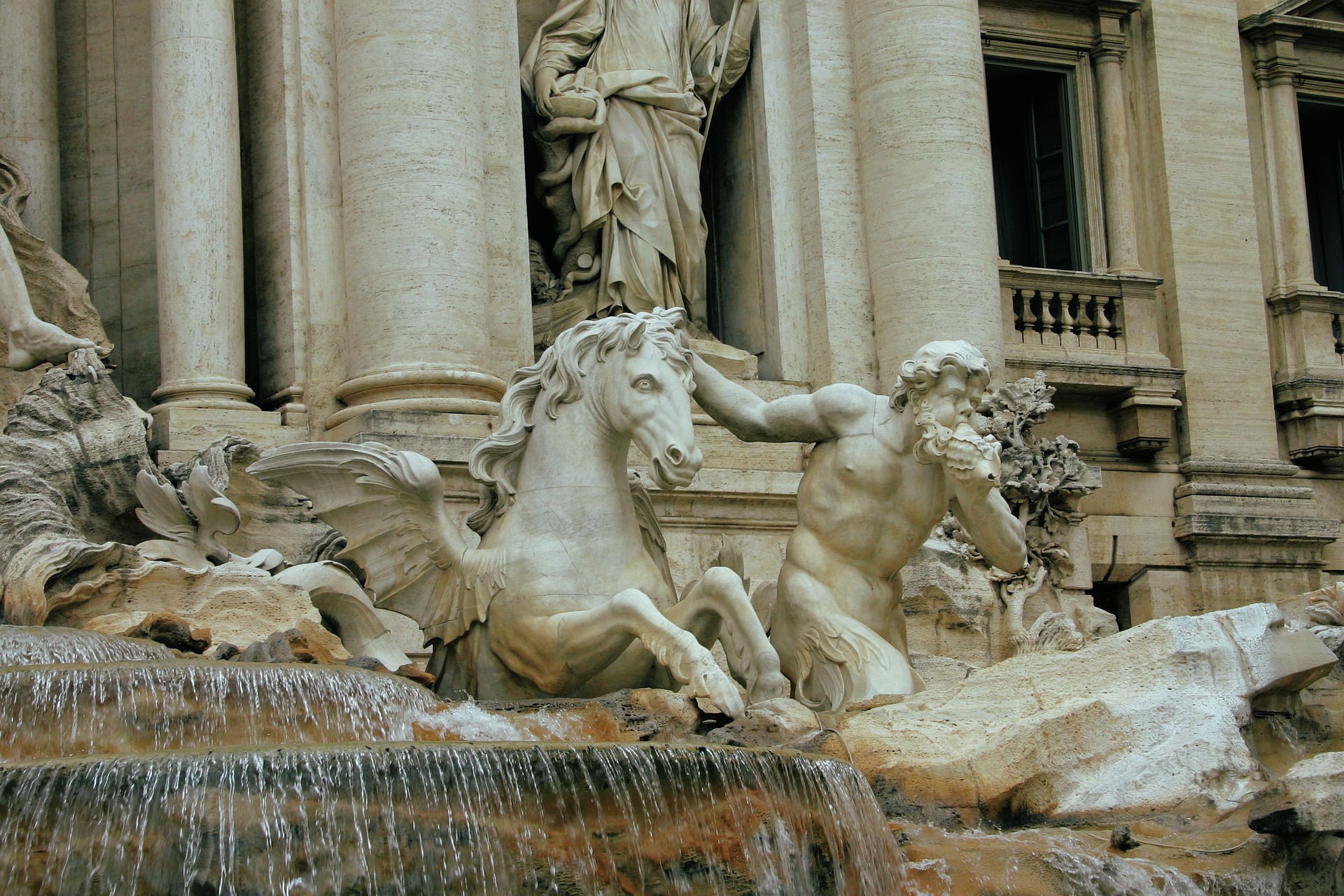
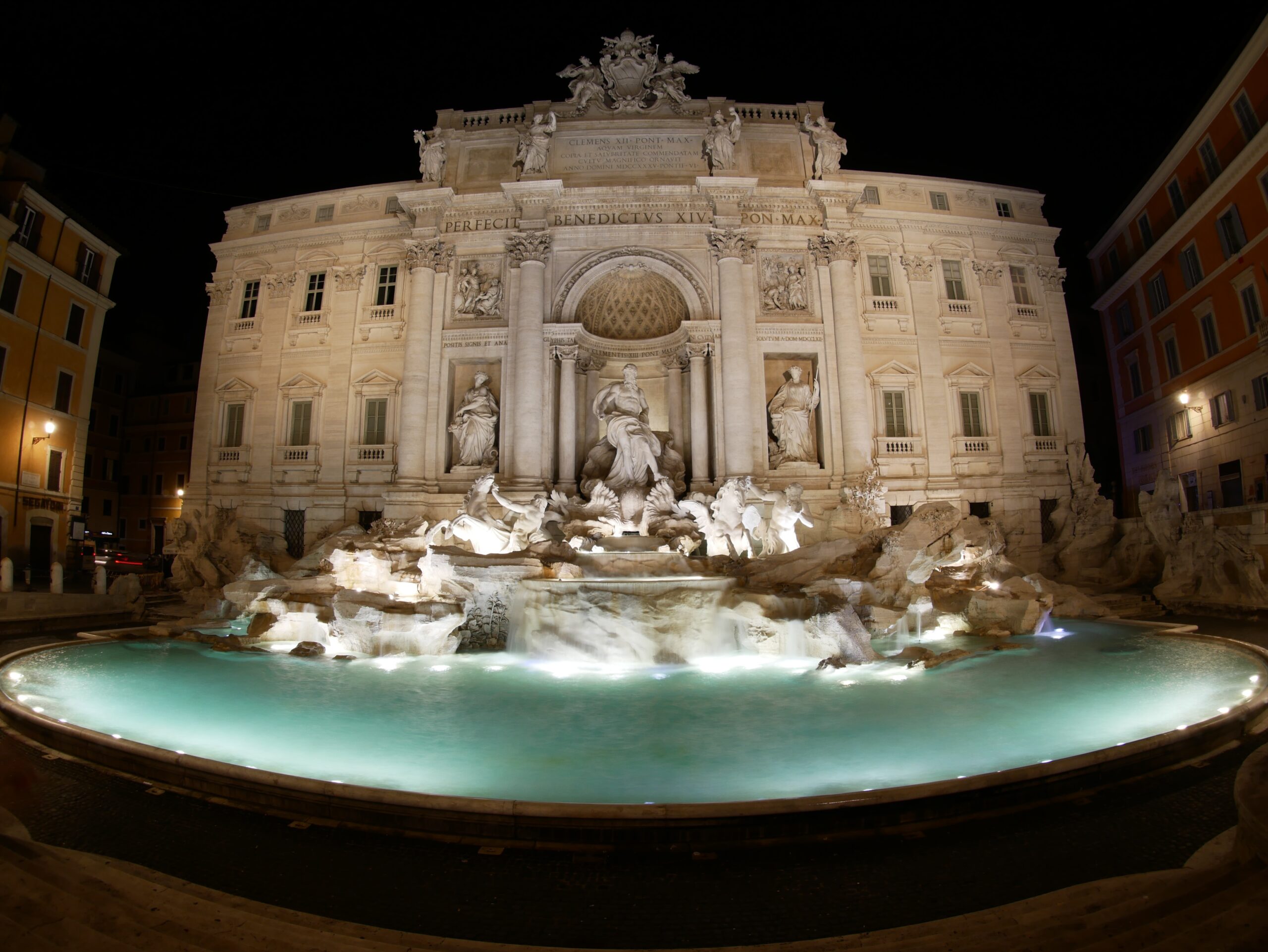
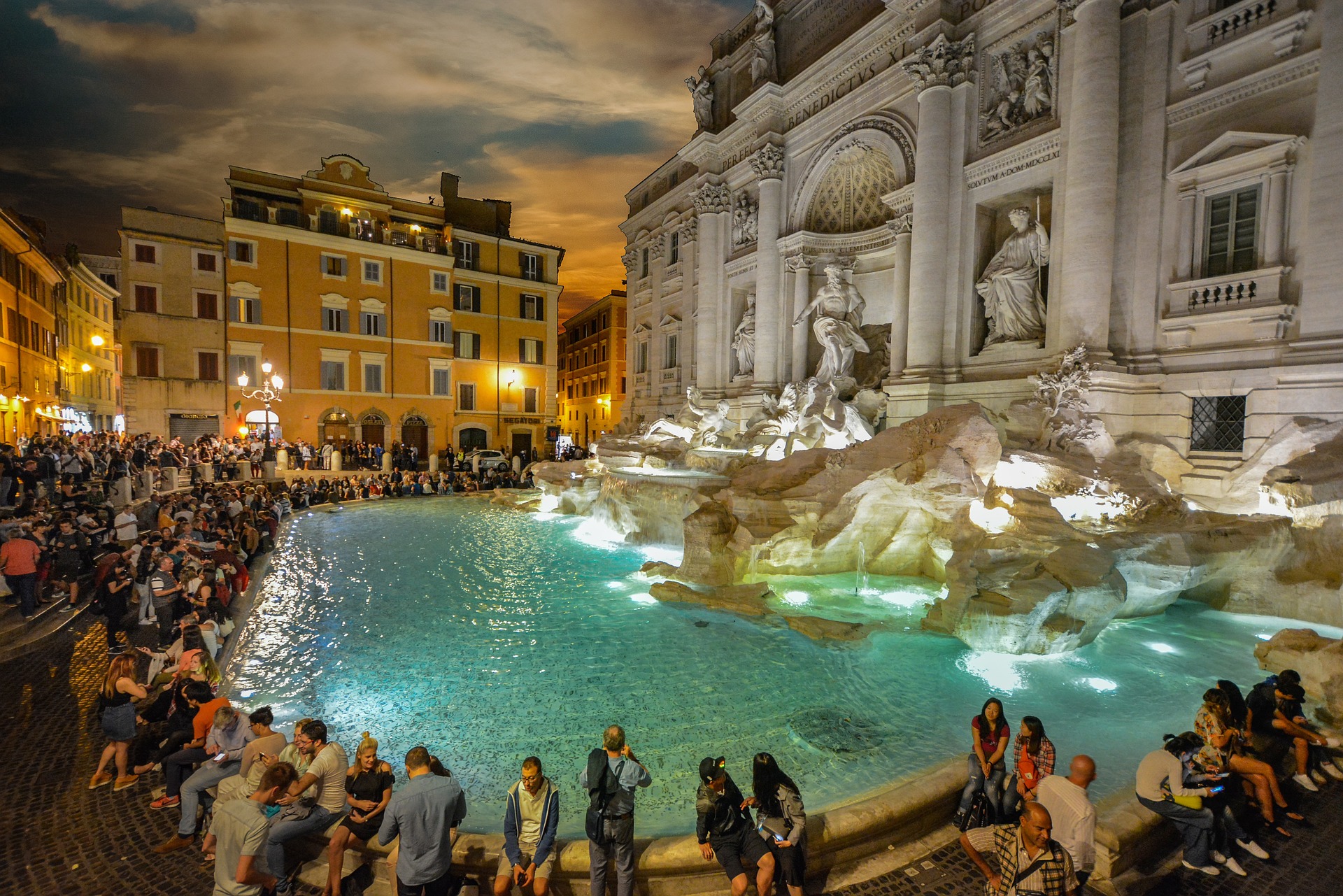
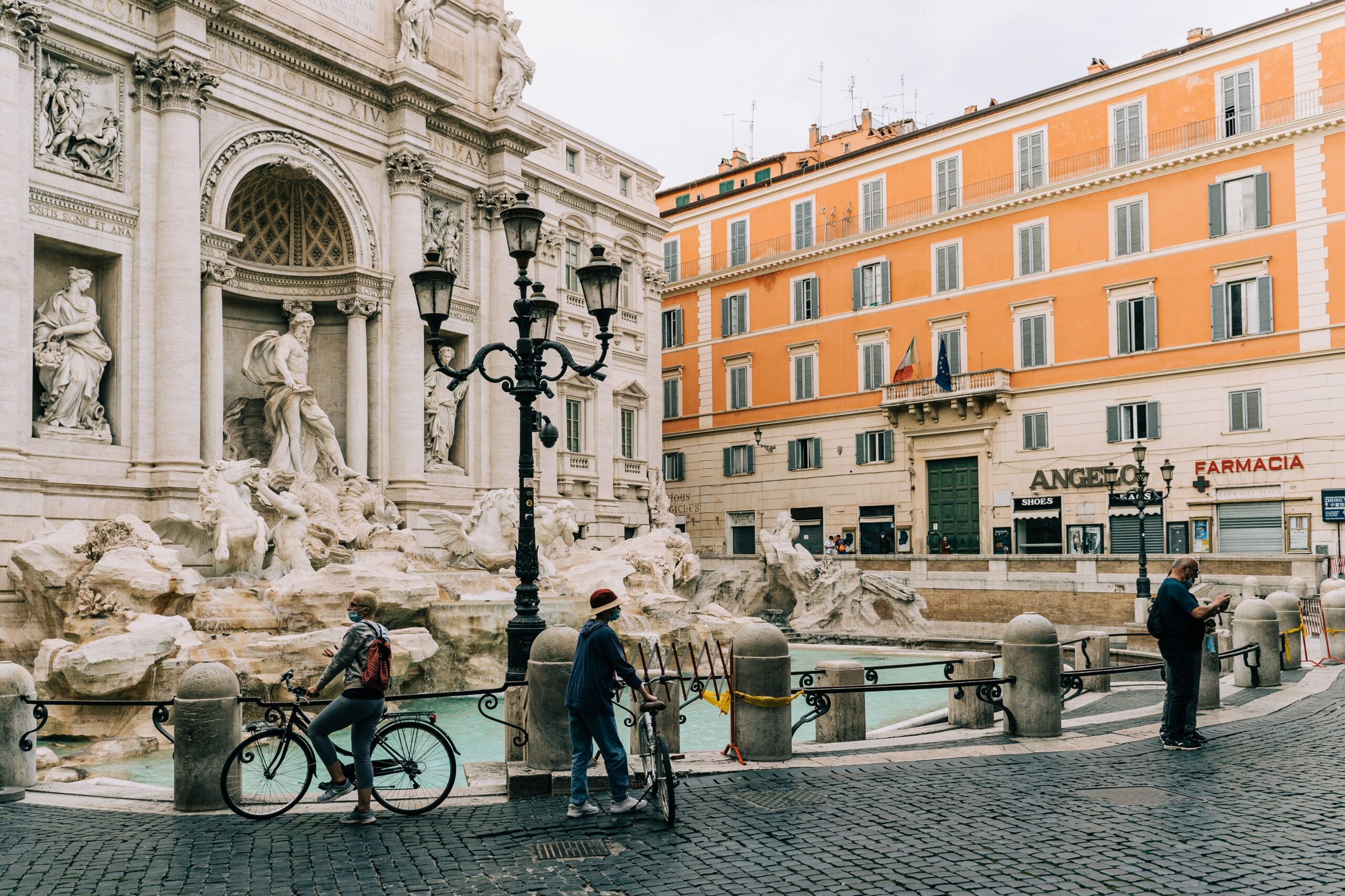
The Trevi Fountain is not simply Rome’s most photographed monument – it is a theatrical masterpiece of water, marble and myth. Designed by Nicola Salvi in the 18th century, it marks the final point of the ancient Aqua Virgo aqueduct, still functioning after nearly two millennia.
Most visitors see it. Few truly experience it.
Here is how to do it properly, especially in summer, and especially now that access regulations have changed.
As of February 2, 2026, access to the lower internal area of the Trevi Fountain has become ticketed for tourists and non-residents.
This new regulation was introduced by Roma Capitale to manage visitor flow, improve safety, and preserve the monument’s decorum. The change creates a more controlled and dignified experience for those wishing to descend closer to the water.
Ticket cost: €2
Hours: Daily from 9:00 AM to 10:00 PM
Last entry: 9:00 PM
Who must pay: Tourists and non-residents
Free access for:
Residents of Rome and the Metropolitan City
Children under 6
People with disabilities and their companions
Tickets can be purchased:
On-site via Smartpos+ (card only)
Online at the official website
At Tourist Info Points
At Civic Museums
Importantly, the view from the upper part of the square remains free and accessible to everyone.
For travelers seeking a closer, more intimate moment by the water, advance planning is now essential.
The Trevi Fountain is open 24 hours visually, but timing is everything.
Before 8:00 AM: Quiet, magical, almost cinematic
After 9:30 PM: Softer atmosphere, fewer day-tour crowds
Midday: Best avoided in summer
The early hours allow you to appreciate the sculptural drama of Oceanus and the cascading water without the typical density of visitors.
The tradition of tossing a coin ensures your return to Rome. Two coins are said to bring romance. Three… well, that depends on the storyteller.
Each year, over one million euros are collected and donated to charity, an elegant detail often overlooked by visitors.
Luxury travel is not about proximity alone, it is about context.
Consider pairing your visit with:
A private early-morning walking tour
A curated espresso stop nearby
An evening stroll that includes Piazza Colonna and the Pantheon
A guided exploration of Rome’s aqueduct system
Seen this way, the Trevi Fountain becomes part of a broader narrative, not just a standalone photo opportunity.
Most visitors look at the water.
Few look at the details.
Observe:
The theatrical façade blending palace and sculpture
The dynamic movement of Oceanus’ horses
The contrast between calm and wild sea symbolism
The travertine sourced from Tivoli
This is Baroque storytelling in marble.
The Trevi Fountain remains free to admire from above — but its inner space is now regulated, refined, and more orderly.
For those who value atmosphere over chaos, this new structure may actually enhance the experience.
Rome evolves. Its beauty remains.
 Spanish
  English
  Italian
  Dutch
Dutch  German
  Romanian
  French
  Japanese